
News
-
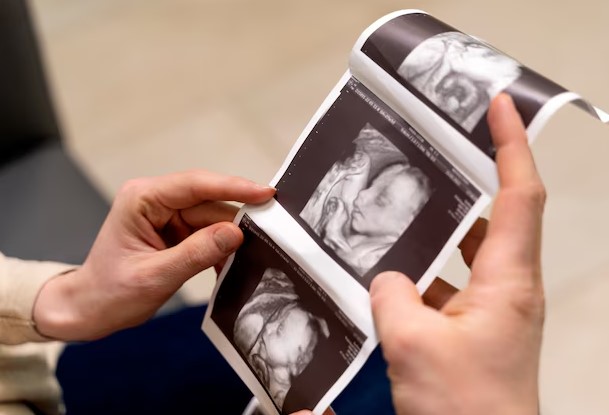
"Baby", Not "Foetus"
Mothers who have lost their baby due to a miscarriage are calling for language to better reflect the loss of life.
Siobhan Gorman in Wales, who was bereaved at 16 weeks, said she prefers the term baby loss to miscarriage because: “I had a baby and my baby died”.
Since Baby Loss Certificates for babies who die before the 24-week abortion limit are available solely in England, the only paperwork Siobhan owns is a cremation certificate.
Siobhan reflected: “My baby had 10 tiny fingers and toes and eyes and ears and was perfectly formed but was just tiny, the size of a pear.”
She welcomed plans to expand bereavement leave to parents who lose a baby before 24 weeks, emphasising: “I wasn’t ill, my baby had died”.
Jenni Whitmore, who suffered three miscarriages, said: “When you’re told that your pregnancy can’t progress anymore, you’re not advised ‘I’m really sorry your baby’s died’, you’re just told your pregnancy is not viable, which yes in medical terms is correct but the terminology used needs to be improved”.
“We never refer to our miscarriage as a foetus, it’s always ‘our baby’, ‘my daughter’s sibling’.”
Last year, research found that mothers who have suffered a miscarriage would prefer medics to use “humanising” terminology such as “baby”.
‘Acceptability in pregnancy loss language’, by Dr Beth Malory and Dr Louise Nuttall, analysed survey responses from 391 women in the UK who lost a baby over the last three years, in order to inform the best language to use on websites and in policies.
The study found that, at 91 per cent, the “overwhelming majority of respondents considered baby the most acceptable word to use regardless of the gestation at which the loss occurred”.
Overall, the researchers found that terms which “dehumanise what is overwhelmingly considered to be a baby” were rated negatively. Dehumanising terms included “fetus”, which was classed as “unacceptable” by on average 74 per cent whose child died after 14 weeks.
-

-
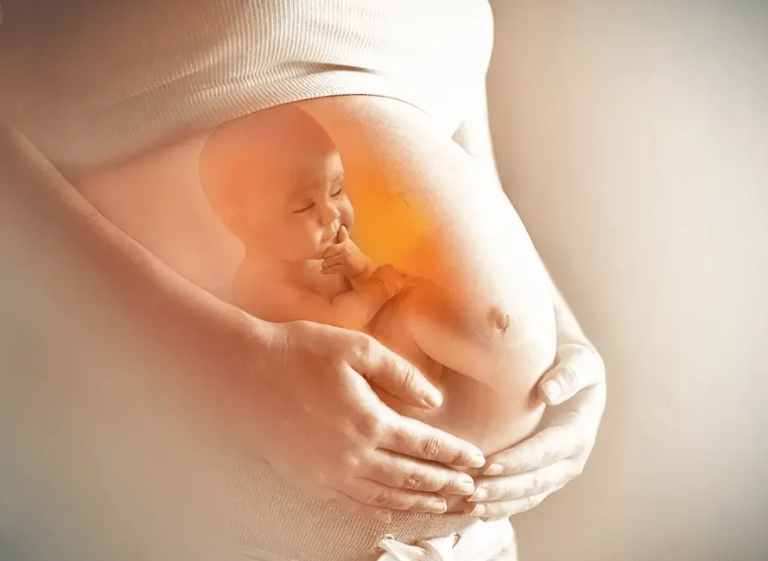
11 Things Babies Do in the Womb
What do unborn babies do in the womb? Some of things on the list are obvious, others may surprise you. Certainly the extensive list of things we know - largely thanks to ultrasound scans - gives the lie to the claim that "it's just a cluster of cells". So here's what every expectant mother needs to know:
How to love you
Your baby knows who you are over the whole nine months. The mother of a baby is the first person with whom they have a bond, and they are connected to you. Your baby can sense the change in your mood and temperament as well.
Breathing
Even babies inside the womb depend on oxygen to survive. This oxygen is provided through the umbilical cord. But babies do breathing exercise to help them to breathe when they are born. These workouts begin during the ninth week of the pregnancy.
Opening and closing eyes
Your baby becomes capable of closing or opening its eye before it is born. During the 27th week of pregnancy, babies become sensitive to light signals and react to light. Scientific research has found how unborn babies turn their eyes away from the light that passes through the mother’s belly button.
Smiling
Smiling is an essential life skill out of the womb. 4D scans have clearly shown the pictures of babies smiling inside the womb from around the 26th week of pregnancy.
Crying
Shedding tears starts inside the womb itself. Unborn babies exhibit a quivering lower lip when crying inside the womb!
Peeing
You might be going for never-ending bathroom trips when you are pregnant, but your baby is peeing inside!! By the 12th week of pregnancy, babies start urinating inside the womb. This skill is important for it to be able to expel waste inside its body.
Testing Food
The flavours of foods that expecting mums eat are passed into the amniotic fluid around the baby. Certain flavours, like ginger, garlic, sweet, and anise can alter the flavour of amniotic fluid. It is probably nature’s way to prepare the child for different flavours it is going to encounter after being born. It has been observed that your unborn baby will show a preference for certain flavours by gulping more amniotic fluid when you consume certain foods.
Listening
Researchers have revealed that babies start listening to outside sounds during the third trimester. They may also respond to sound with their gentle kick. They always remember the voice of the mother, despite not knowing your words. Therefore, you should talk with your child as a very powerful way of bonding with your unborn baby.
Yawning
Inside your small womb universe, things can be pretty unexciting for your cute one. So it’s not shocking that your cute bundle of joy will yawn sometimes while being inside the womb. You might get a glimpse of your yawning baby while specialists take the ultrasound images.
Hiccuping
Babies learn hiccuping within the first few weeks of their existence. But, these hiccups are too mild to be detected. During the last stage of pregnancy, you may be able to spot them, although many expected mothers may not perceive this at all.
Baby Gymnastics
If you ever swam in a deep pool where you cannot feel the bottom easily is just the same situation of your baby in the womb as they keep floating around in amniotic fluid. It’s normal for the baby in the womb to move around, as they are always floating and it is the best sign to know that the baby is active and is ready to come out anytime soon, so the babies perform these little things and get restless which is the sign for you to know that it is finally time to meet your baby face to face.
-
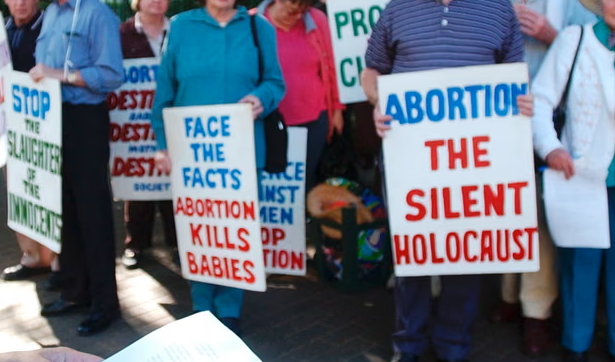
73 Million Abortions Worldwide Every Year?
73 million abortion murders every year! That's the shocking estimate of the scale of the world's baby-murder Holocaust by the World Health Organization and the Planned Parenthood affiliate Guttmacher Institute.
The WHO insists that abortion is a human right and publicly works for the easing of abortion laws. The practical effect of both of these positions is to increase the number of abortions.
The Guttmacher Institute receives all of its funding from pro-abortion sources. And, like the WHO, Guttmacher works to promote abortion.
This raises the possibility that the two organisations are exaggerating the scale of the slaughter in order to "normalise" it. Both acknowledge that the true figure is effectively impossible to determine, and their estimate is in truth a stab in the dark. There again, 73 million could just as easily be an under-estimate.
Whatever the real toll of abortion, every single murdered baby is a tragedy which cries out to Heaven for mercy, justice and Divine vengeance. As the world's population rapidly ages and then collapses, those who butchered their offspring or failed to speak out against abortion are likely to find that young people who survived this global Holocaust have very little sympathy or compassion for them in their old age.
The biggest cause of unnatural death right now is still abortion, but in years to come it is all too likely to be euthanasia of the old.
-
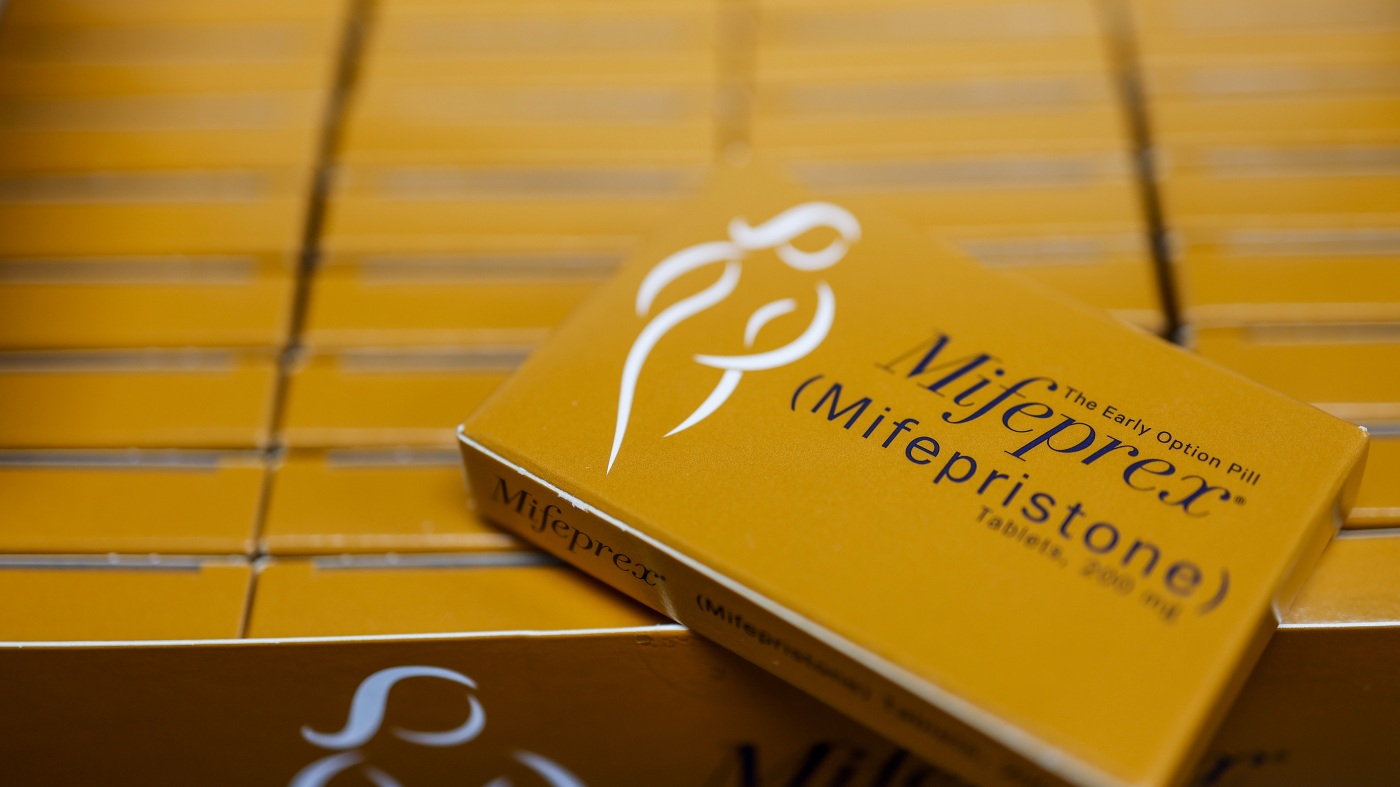
Bombshell Report Exposes Abortion Pill Cover Up
The U.S. medical establishment has been exposed operating a cynical cover-up of the dangers to women’s health from abortion pills. The trick is as simple as it is shockingly dishonest: Record abortion pill injuries as the result of spontaneous miscarriages. The result? Official statistics which understate the risk of taking the baby-killing drugs by a staggering 22 times.
This wicked deception has been exposed by a study from the Ethics and Public Policy Center (EPPC), released on April 28, 2025. This brought to light the deeply troubling reality of the abortion pill mifepristone, revealing a hidden crisis that has been obscured for far too long. This groundbreaking research, analyzing insurance claims data from 865,727 mifepristone abortions between 2017 and 2023, exposes a rate of serious complications that is alarmingly higher than what the Food and Drug Administration (FDA) has admitted.
Meanwhile, the pro-life Charlotte Lozier Institute (CLI) revealed that studies of Medicaid claims data for almost 29,000 post-abortion ER visits found that visits after the use of abortion drugs were 79% more likely to be “miscoded as miscarriages compared with surgical abortions.” Almost 84% of such cases were wrongly recorded from 2016 to 2021.
The findings not only challenge the narrative that mifepristone is a safe and effective option but also raise profound ethical concerns about how these complications are misrepresented, disguised as miscarriages, to downplay the risks to women.
A convenient overlap in diagnostic coding—where abortion-related complications are recorded similarly to miscarriages—obscures the drug’s risks. This practice, embedded in medical coding systems like ICD/CPT used across hospitals and insurance databases, includes those managed by the Centers for Medicare and Medicaid Services.
The Food and Drug Administration, which regulates mifepristone, has not addressed this coding issue directly in available data. Its reliance on clinical trial data rather than real-world evidence like the EPPC’s insurance claims analysis (covering 865,727 cases from 2017–2023) shows how the agency prioritizes the interests of the abortion industry over the safety and health of women.
Other parts of the medical-industrial complex are also implicated in the deceit. The American College of Obstetricians and Gynecologists (ACOG), which promotes the use of mifepristone, helped draw up the clinical guidelines which have permitted the deliberately confusing coding practices.
The EPPC study reveals that 10.93 percent of women who take mifepristone, the first drug in the two-drug medication abortion process, experience severe complications within 45 days of their abortion. These complications include life-threatening conditions such as sepsis, infection, hemorrhaging, and other serious adverse events.
This figure is staggering when compared to the FDA’s claim, based on clinical trials, that less than 0.5 percent of women experience such outcomes. The discrepancy - a rate 22 times higher than what the FDA reports - exposes a systemic failure to accurately represent the real-world dangers of mifepristone.
Unlike drug companies’ controlled clinical trials, which often involve carefully selected participants and close medical supervision, the EPPC’s analysis draws from a vast, real-world dataset that reflects the experiences of diverse women across the United States. By analyzing insurance claims data, the EPPC researchers were able to use a dataset 28 times larger than the self-serving clinical trials.
This makes the study’s findings far more representative of the actual risks women face when taking mifepristone, particularly in settings where oversight may be minimal, such as through telemedicine prescriptions.
Spontaneous miscarriages, and abortions induced by mifepristone, often involve similar symptoms, such as bleeding or incomplete expulsion of pregnancy tissue, but conflating them masks the specific risks associated with the abortion pill. This deliberate confusion not only misleads women about the safety of the procedure but also undermines their ability to make informed decisions about their health.
By obscuring the dangers of mifepristone, the medical establishment and abortion advocates have prioritized ideology over women’s health. This deception is doubly tragic. Not only does mifepristone end the lives of countless unborn children, but it also places women at significant risk, and denies them the right to know the real dangers.
Women are told that medication abortion is a simple, safe process, yet the data reveals a far more dangerous reality. The emotional and physical consequences of these complications include sepsis that can lead to organ failure, hemorrhaging that requires transfusions, and infections that threaten fertility.
These revelations have, however, produced grounds for hope that the situation will improve. Speaking during a Senate hearing on 14 May, 2025, Health and Human Services Secretary Robert F. Kennedy Jr. announced that he has directed FDA Commissioner Marty Makary to conduct a “complete review” of mifepristone’s safety, citing the EPPC study’s alarming findings.
Kennedy described the data as “alarming” and stated that, at the very least, the FDA should update the drug’s label to reflect the higher complication rate. This call for a review is a significant step toward acknowledging the risks that have been downplayed for years. Kennedy’s willingness to challenge the FDA’s narrative, despite his historically pro-abortion stance, suggests a commitment to prioritizing women’s health over political pressures.
Morality and demographic reality actually demand at least a massive curtailing of America’s abortion holocaust. But such major changes often come about in small incremental steps. The EPPC’s study highlighting the real dangers of the abortion pill is one such piece of progress. It’s the ideal subject for a short letter to your local paper; can you spare a few minutes to advance the pro-life cause?
-
-
"Every Life is Sacred" Reminder to U.N.
A senior Catholic cleric has rebuked the United Nations over its relentless promotion of abortion.
Archbishop Gabriele Caccia, the Vatican’s permanent observer to the United Nations, has issued a statement highlighting the inconsistent implementation of health and well-being programs, particularly those aimed at protecting the unborn.
“Achieving health and wellbeing for all also calls for special attention to be paid to the most vulnerable members of the human family, including the unborn, children, the elderly, persons with disabilities, migrants and those living in conflict-affected areas,” the archbishop stated.
“This is a right for all, not a privilege for the few, rooted in the fundamental truth that every human life is sacred and worthy of care from conception to natural death.”
Caccia made the comments regarding the UN’s Sustainable Development Goal 3, which outlines steps needed to work towards global “health and wellbeing.” Goal 3 specifically discusses access to essential healthcare in poorer regions of the world. The goal emphasizes the protection of the “vulnerable population groups and individuals residing in regions burdened by high disease prevalence.”
The archbishop welcomed the focus on prioritizing vulnerable communities, but he also drew attention to the many groups frequently overlooked in discussions of individual well-being.
“There must be a commitment to health and wellbeing by protecting and serving those most at risk of being forgotten,” he said.
Caccia made a clear distinction between individual health and the broader concept of well-being—both spiritual and physical—especially for those in need.“In this regard, it is important to underscore that health is not merely the absence of illness, but a holistic state of physical, psychological, social, spiritual and emotional wellbeing,” he said.
-
Ireland's Abortion Holocaust
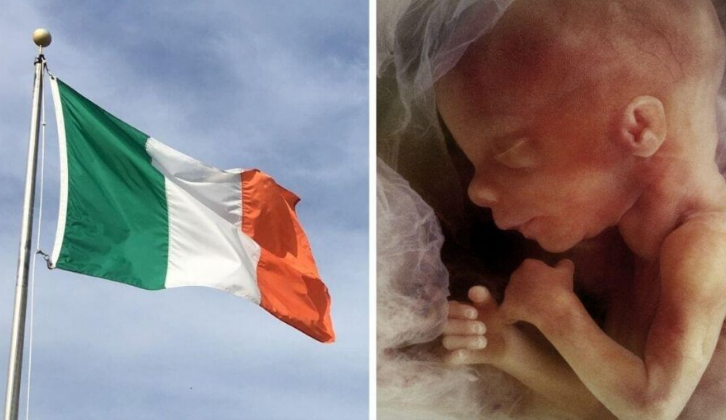
The abortion Holocaust is claiming more lives in Ireland than ever. Abortion statistics released by the Department of Health in Ireland show there were a record 10,852 abortions in Ireland in 2024, a 62.8% increase since 2019, when the abortion legislation introducing abortion on demand in Ireland came into effect, and 6,666 abortions took place.
The figures reveal an increase of 8.16% from 2023, when there were 10,033 abortions.
Before new abortion legislation came into effect in Ireland in 2019, the number of abortions that took place in England and Wales for women who were Irish residents in 2018 was 2,879. A further 32 abortions were reported to have taken place in Ireland under the Protection of Life During Pregnancy Act, taking the total number of abortions for Irish residents in 2018 to 2,911.
The latest available data, for the year 2022, shows that 201 residents of the Irish Republic travelled to England and Wales for an abortion. In the same year, Irish abortion statistics show that 8,156 abortions took place in Ireland, and of these, 12 were for women who had travelled from Northern Ireland. This takes the total number of abortions for residents of the Irish Republic to 8,345 in 2022. This is an increase of 186.7% from 2,911 in 2018.
The report also shows that of the 10,852 abortions in 2024, 10,711 (98.7%) were not carried out based on risk to health or life of the mother or on the basis of a condition likely to lead to the death of the unborn baby.
The largest number of abortions happened in January 2024 (1,056) and the fewest happened in August 2024 (849).
There have been a total of 48,984 abortions in Ireland from the start of 2019 to the end of 2024, according to data from the Department of Health in Ireland.
-

Hate Speech Law Threatens Bible
Quoting the Bible could become a one-way ticket to prison if the Irish government accepts the totalitarian measures against free speech demanded by the European Union.
Speaking in the Irish parliament, Deputy Ken O’Flynn has warned of the threat, asking whether quoting Scripture will “become a punishable act” if the Government introduces the EU rule.
He also asked: “Will this Government stand over a law that criminalises people for what they think, criminalises people for what they say rather than what they do?”
The Irish Government has been urged to resist pressure to implement the European Union’s hate speech laws affecting “words, ideas and opinions”.
In Leaders’ Questions, Deputy Ken O’Flynn highlighted the case of Finnish MP Päivi Räsänen, who was dragged through the courts for quoting the Bible, and of a pastor in Sweden, sentenced to one month in prison for publishing a sermon.
In May, the European Commission gave Ireland two months to comply with the EU’s laws on hate speech, which is more extensive and wide-reaching than Ireland’s current rules, or else risk being referred to the EU’s Court of Justice.
He continued: “We are not talking about the incitement of violence, we are not talking about threats or harassment, we are talking about words, ideas and opinions; often and sometimes unpopular and uncomfortable, but still lawful expressions, which are supposedly free”.
In response, Minister for Finance Paschal Donohoe stated that “any such further decisions are ones that always have to be proportionate, and recognise the deep value of free speech, and the right for freedom of expression”.
According to The Sunday Times, a senior Government source reported that it does not intend to impose any new hate speech laws and that it has a “solid” defence against the EU’s claims.
Another source said: “We don’t believe the commission has given sufficient weight to Ireland’s existing common law on this or to our own existing legal framework”.
Following widespread criticism, Minister for Justice Helen McEntee removed incitement to hatred from the initial proposals of the Criminal Justice (Hate Offences) Act 2024. But the law still allows tougher sentences in instances where crimes are deemed to be motivated by hostility towards a protected group.
Under a previous version, there were concerns that churches could have been criminalised for preaching about biblical sexual ethics.
-

Bereavement Leave Exposes Abortion Confusion
An attempt to introduce bereavement leave for the parents of unborn babies who die after 20 weeks of pregnancy has exposed confusion and hypocritical double-standards among pro-abortionists.