
News
-
German bishop condemns women’s group for pushing abortion in Catholic hospitals
A German bishop and a Catholic women’s lay organization have slammed the Catholic Women’s Association of Germany for demanding access to abortion in Catholic hospitals.
The Catholic Women’s Association of Germany (kfd) demanded that abortions be carried out in Catholic hospitals as part of its paper: “Between the Protection of Life and Self-Determination: Positions and Perspectives of the kfd on Section 218 of the German Criminal Code.” The kfd is a private association that is subject to the oversight of the German bishops’ conference.
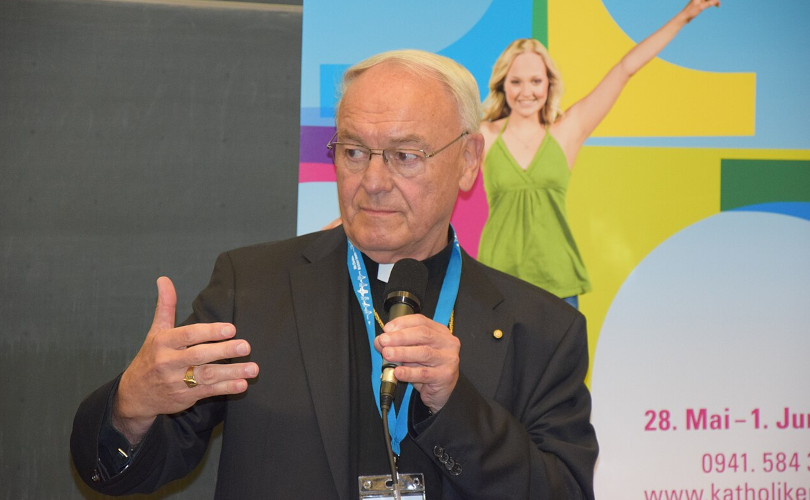
Bishop Heinz Josef Algermissen, emeritus bishop of Fulda, responded to the scandalous text, saying it was “not Catholic.”
“That a Catholic organisation is seriously demanding that the killing of children before birth ‘must also be possible in Catholic hospitals’ is completely unacceptable and downright intolerable,” Algermissen, who serves as chairman of the pro-life group Seelsorge für das Leben, said.
“The killing of an innocent and defenseless child in the womb does not constitute a medical service,” he stated. “Nor is an unwanted pregnancy an illness. Attempting to shift the costs of the killing of children before birth onto the community of insured individuals trivializes and undermines the prohibition against killing.”
The kfd defended a woman’s decision to abort their unborn child and attacked pro-life activists, claiming that they challenge “sexual and reproductive rights” and calling them “religious fundamentalists” who align with “radical right-wing forces.”
The orthodox Catholic laywomen’s organization Maria 1.0 published a scathing critique of the kfd’s paper.
“When it comes to the killing of unborn children, there can be no legitimate pluralism, for the direct killing of an innocent human being is, by definition, murder,” Maria 1.0 wrote.
“The Catholic faith clearly states: Human life is sacred from the moment of conception, inviolable, and must be protected with the utmost care. A pregnancy conflict is therefore not a conflict between two equally valid interests, for human life is a far greater good than any life plans or aspirations. Anyone who claims it is justified to directly end innocent human life – even moments after conception – cannot call themselves Catholic, nor indeed a person of integrity.”
“The supreme good is the glory of God, which naturally forbids sacrificing the life of an innocent human being created by God to any ‘right to self-determination,’” the group stated.
-
Baroness Speaks Out vs Assisted Suicide
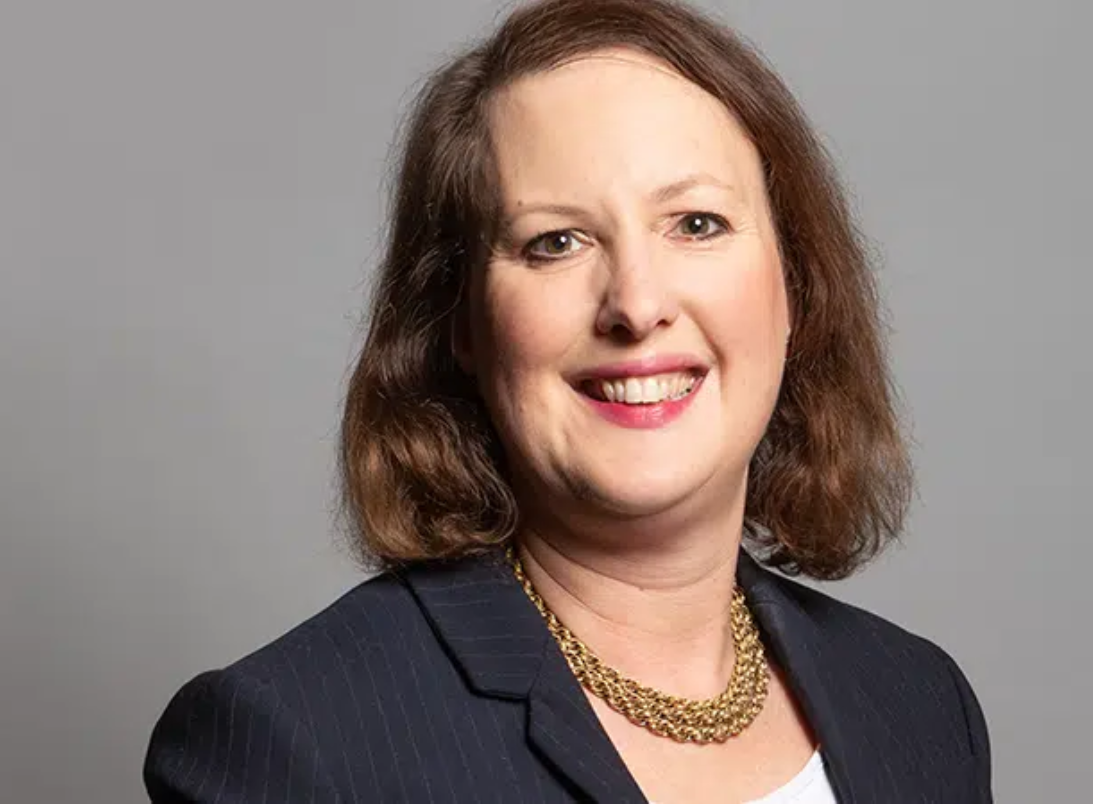
Baroness Prentis has reflected on the “deep concerns” her battle with cancer highlighted about assisted suicide.
Writing in The Independent, the Peer spoke of the toll that radiotherapy has taken on her mental health, as well as her physical health. She warned that such effects have not been adequately considered in the recent assisted suicide proposals.
In April, Kim Leadbeater’s Terminally Ill Adults (End of life) Bill timed out in the House of Lords amid a thousand amendments to counter its flaws.
Lady Prentis, who previously served as Minister of State for Work and Welfare, stated: “We must speak clearly about depression as a side effect of many treatments, and as a natural part of living with pain and uncertainty.”
She explained: “I think about how I’ve felt during treatment and it deeply concerns me that the bill makes no provision at all for doctors – or indeed society – to care about the psychological impacts on patients.
“It flips on its head our entire approach to looking after people in their darkest moments.”
The Peer said: “Campaigners argue that there’s nothing in the bill to stop progress on palliative care, but that’s to dismiss the realities.”
“It is as Simon Stevens, former chief executive of the NHS, identified, ‘remarkably cheap’ to introduce assisted dying, while the costs of doing something with palliative care are ‘far greater’.”
She warned that rather than giving people a choice, assisted suicide legislation “will instead push people, particularly the vulnerable and those less well-off, towards a single fatal option”.
“We have to understand that introducing assisted dying into an NHS where palliative care is not available to all is not a neutral act.”
-
Canada's Death Lobby in Propaganda Spree
With all-too-real euthanasia horror stories fuelling a growing backlash against state-sponsored killing in Canada, the country's biggest pro-death lobby group is pouring money into a propaganda drive for assisted suicide.
Dying with Dignity is hugely wealthy, with long-term investments of more than $8 million yielding well over $600,000 a year in investment income alone. With more than $2 million a year coming in from regular donations, DWD Canada can afford its propaganda blitz.
Advertising and promotions $1,013,241 (2025), up from $803,555 (2024). That’s over one-third of their donations spent on advertising and promoting and lobbying the government for the killing industry.
Over against DWDC is a handful of pro-life groups, disability rights groups, and concerned Canadians trying to protect the vulnerable Canadians who will be ground up and spit out by the euthanasia machine. Fortunately, the truth about what groups like Dying with Dignity and their political allies have wrought is so horrifying that it is finally — finally — coming out.
-
British Voters Have No Desire for Assisted Suicide Law
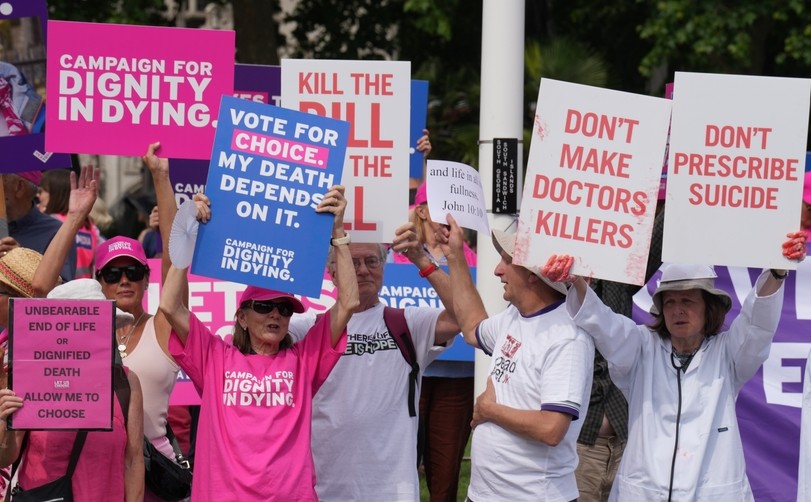
According to an exclusive June 2 report from the Daily Mail, fewer than one in ten U.K. voters consider assisted suicide a priority for their Member of Parliament. The mega-poll of over 10,000 people comes as a blow to suicide activists, who are desperately trying to resurrect Labour MP Kim Leadbeater’s euthanasia bill that died in the House of Lords on April 24 after facing over 1,000 amendments and running out of time.
That same month, suicide campaigners confirmed that they were planning to enlist 200 MPs to attempt to bring the failed legislation back as a Private Member’s Bill. Lord Charlie Falconer, the most prominent and vociferous supporter of Leadbeater’s bill in the House of Lords, supported the effort. Once the bill was brought forward, the Parliaments Acts could be used to bypass the House of Lords entirely and pass it into law.
“Taking the unprecedented route of using the Parliament Acts to bypass House of Lords’ scrutiny of a Private Members’ Bill would be politically explosive and divisive, setting a precedent that may worry many MPs,” Right to Life UK reported. “It would be the first time ever that the Parliament Acts would be used for a Private Members’ Bill.”
Suicide campaigners had justified taking radical measures to ram the euthanasia bill through on the premise that voters were also desperate for it to pass; the new poll, however, reveals just the opposite. The poll, which is the largest since the bill was introduced in October 2024 and was conducted by Whitestone Insight, found that only 7 percent want assisted suicide to be among their local MPs top three priorities in the next year.
-
Northern Ireland is Dying on its Feet
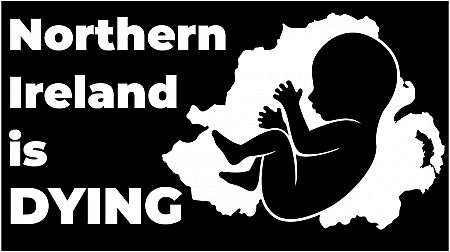
Northern Ireland is approaching a key demographic turning point, with official figures predicting pensioners will exceed children within the next year.
Key Takeaways:
-
By summer of 2027, the number of pensioners in Northern Ireland are expected to outnumber children.
-
Deaths are predicted to outnumber births by 2030.
-
Government leaders are warning of the consequences to health care, social services, schools, and more.
Based on recent population figures for NI, released by the Northern Ireland Statistics and Research Agency (NISRA), the over-65 population will surpass the number of children in NI by mid-2027. By 2030, the number of deaths will outnumber births. NI’s overall population is expected to hit its zenith at 1.94 million in mid-2031 before retreating into long-term decline, decreasing to 1.91 million by 2049.
Observers have cautioned that the real concern for policymakers is not the overall decline itself, but the specific age groups most impacted by the decrease.
The over-65 population is expected to grow by 44.7% over the next quarter century; simultaneously, those over age 85 are expected to more than double, rising from 42,900 to 96,900. Projections also reveal both the steepest decline in NI’s child population — down 23.8% — and the most significant growth in the pension-age population, which is predicted to increase 32.2%, the highest in the United Kingdom (UK).
-
-
'Dead' Man Wakes After Botched Euthanasia
After having been pronounced dead, a patient woke up after a botched euthanasia attempt, leading to his doctor being placed under supervision by the province’s physicians’ regulator due to repeated failures to adhere to protocols and procedures.
Dr James MacLean was the subject of two complaints relating to two cases involving Canada’s euthanasia and assisted suicide regime, known as Medical Assistance in Dying (MAiD).
In one case, one of MacLean’s patients who wished to end their life resumed breathing after being declared dead due to the improper application of the fatal mix of substances. MacLean gave a 67-year-old cancer patient an anaesthetic, rather than the neuromuscular-blocking medication normally used in euthanasia cases, because he could not find where he had put it.
The doctor pronounced the patient, who has not been named, dead; however, shortly after he left the patient’s home, he resumed breathing. MacLean returned to the patient’s home, gave him additional substances, including the neuromuscular-blocking medication, and shortly thereafter pronounced him dead for the second time.
After this, and another case where one of his patients had his euthanasia assessment conducted outside a doughnut shop, MacLean’s general conduct was reviewed by the College of Physicians and Surgeons of Ontario, and it was determined that MacLean displayed a lack of judgment in his decisions, dealt with patients in a way that “raised a risk of perceived coercion”, and kept inadequate records.
The College found that MacLean’s conduct “exposes or is likely to expose patients to harm or injury in five out of twenty [patient] charts reviewed”. They gave MacLean a caution, and agreed to several conditions relating to his practise, including a minimum six-month clinical supervision and unannounced inspections of his practice locations and patient records.
None of these concerns regarding MacLean’s conduct were escalated to the Ontario Physicians and Surgeons Discipline Tribunal, where allegations of professional misconduct or incompetence are adjudicated.
There have been a total of 76,475 instances of euthanasia and assisted suicide from when they were made legal in Canada in 2016 until the end of 2024.
-
UK Prosecutor Surrenders to Brave Rose
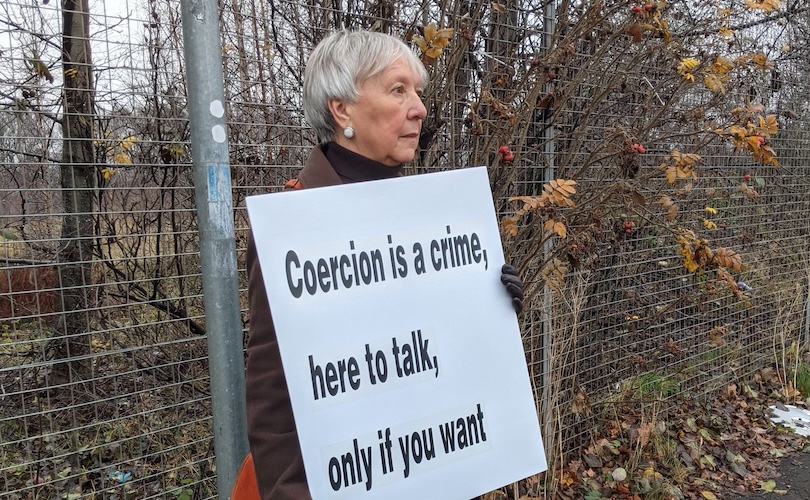
Rose Docherty, the pro life grandmother persecuted for offering kindness to worried women, has won another famous victory. The Crown Office has backed down and refused to appeal the case of the Glaswegian Catholic grandmother, who was cleared in court after offering to speak with people in a “buffer zone.”
-
Murdered NI Babies Remembered
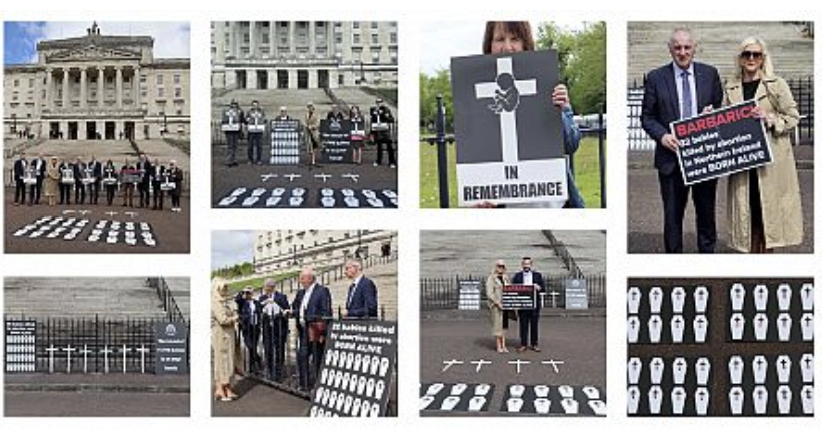
ProLife activists held a powerful commemoration at Stormont to mark the sixth anniversary of Westminster forcing abortion on Northern Ireland, and as a call for action by the Northern Ireland Assembly to protect life. At the steps of Parliament Buildings they remembered the 11,192 unborn babies killed since 2020. 32 babies of those babies had actually been born alive. The memorial display showed 32 little white coffins to represent each of those little babies.
Speaking in front of Parliament Buildings, Director of Precious Life Bernadette Smyth said "We have organised this event to draw attention to the most recent abortion statistics published by the Department of Health for Northern Ireland which revealed that 2,899 babies were killed by abortion between 2024 and 2025, bringing the overall total since abortion for forced on Northern Ireland to 11,192 babies killed. This is equivalent to the population of Northern Ireland towns like Downpatrick, Limavady or Ballymoney. An average of 43 babies were killed each week, or an average of 6 babies killed every day. The average classroom size in Northern Ireland is 25 pupils. Therefore the number of babies killed by abortion is the equivalent of 448 classrooms full of children killed. If a minute's silence was held for each individual baby, the silence would last for one full week.
"Most of these little ones were poisoned and starved to death by the RU486 abortion drug. Their little bodies were flushed down toilets and into the sewers without a thought or a prayer."
She added, "Of particular concern is information obtained through Freedom of Information requests indicating that 32 babies born alive following abortion procedures subsequently received death certificates. These cases raise critical ethical, legal, and clinical questions that require immediate explanation.
-
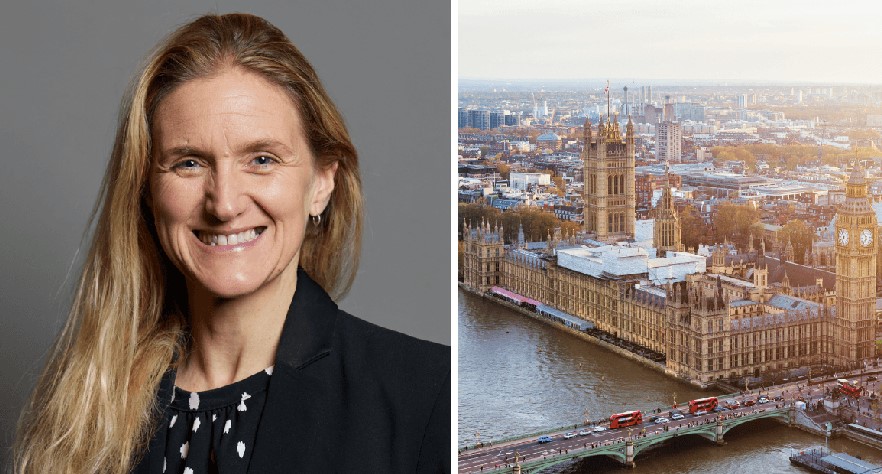
MPs Shift Against Reviving Assisted Suicide Bill
The Labour party still want to push assisted suicide into law, but they're facing an uphill battle. In a major blow to Kim Leadbeater’s plans to revive her assisted suicide Bill, cross-party MPs from the Conservatives, Labour and Liberal Democrat parties who previously voted for the Bill, including former Chancellor of the Exchequer, Conservative MP Sir Jeremy Hunt, have told constituents they now oppose it being forced into law using the Parliament Acts to bypass the House of Lords.
Assisted suicide campaigners are going to attempt to resurrect Kim Leadbeater’s assisted suicide Bill in the new parliamentary session.
Their plan involves persuading an MP successful in the Private Members’ Bill ballot on 21 May 2026 to bring back the Leadbeater assisted suicide Bill – and then use the Parliament Acts to bypass the House of Lords to force it into law.
Ahead of the House of Commons Private Members’ Bill ballot taking place at 9am tomorrow, four MPs who voted for the assisted suicide Bill last year in the House of Commons have written to their constituents to tell them they oppose any plans to revive the Bill via the Private Members’ Bill ballot and then use the Parliament Acts to bypass the House of Lords to force it into law.
Given that only 12 MPs would need to change their minds should a new Bill be introduced, and any new vote would likely become a referendum on the use of the Parliament Acts as well as on the flawed Bill itself, this strongly suggests any MP picking up the Bill would be defeated.
-
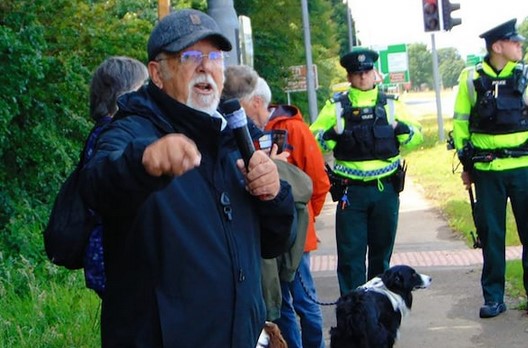
Persecuted Pastor to Appeal
Retired pastor Clive Johnston is to appeal his conviction for preaching the Gospel within one of Northern Ireland’s controversial abortion censorship zones.
The former President of the Association of Baptist Churches in Ireland was convicted of two charges under the Abortion Services (Safe Access Zones) Act for holding an open-air service on the fringes of a buffer zone opposite Coleraine’s Causeway Hospital last year.
His sermon made no reference to abortion, nor were there any abortion placards or banners – a fact accepted by both sides and the judge in court. Yet, Mr Johnston was found guilty of being “reckless” as to whether his actions of preaching and standing near a large cross might ‘influence’ someone accessing the hospital’s abortion services.
This is the first UK buffer zone case in which a person has been criminalised for preaching a sermon that did not mention abortion.
Speaking after confirming his intention to appeal, Mr Johnston said: “This ruling sets a deeply troubling precedent. I was not protesting abortion. I was peacefully preaching the Gospel, reading from the Bible, and pointing people to the hope found in Jesus Christ.
“If this conviction is allowed to stand, it will signal that basic Christian witness and public expressions of faith can be criminalised simply because they take place in the wrong location.
“That should concern every person who values freedom of religion and freedom of expression, regardless of their views on abortion.”
Mr Johnston’s legal team will argue that the conviction represents a disproportionate interference with fundamental rights protected under the European Convention on Human Rights and codified into UK law under the Human Rights Act, including freedom of speech, freedom of religion, and freedom of peaceful assembly.