

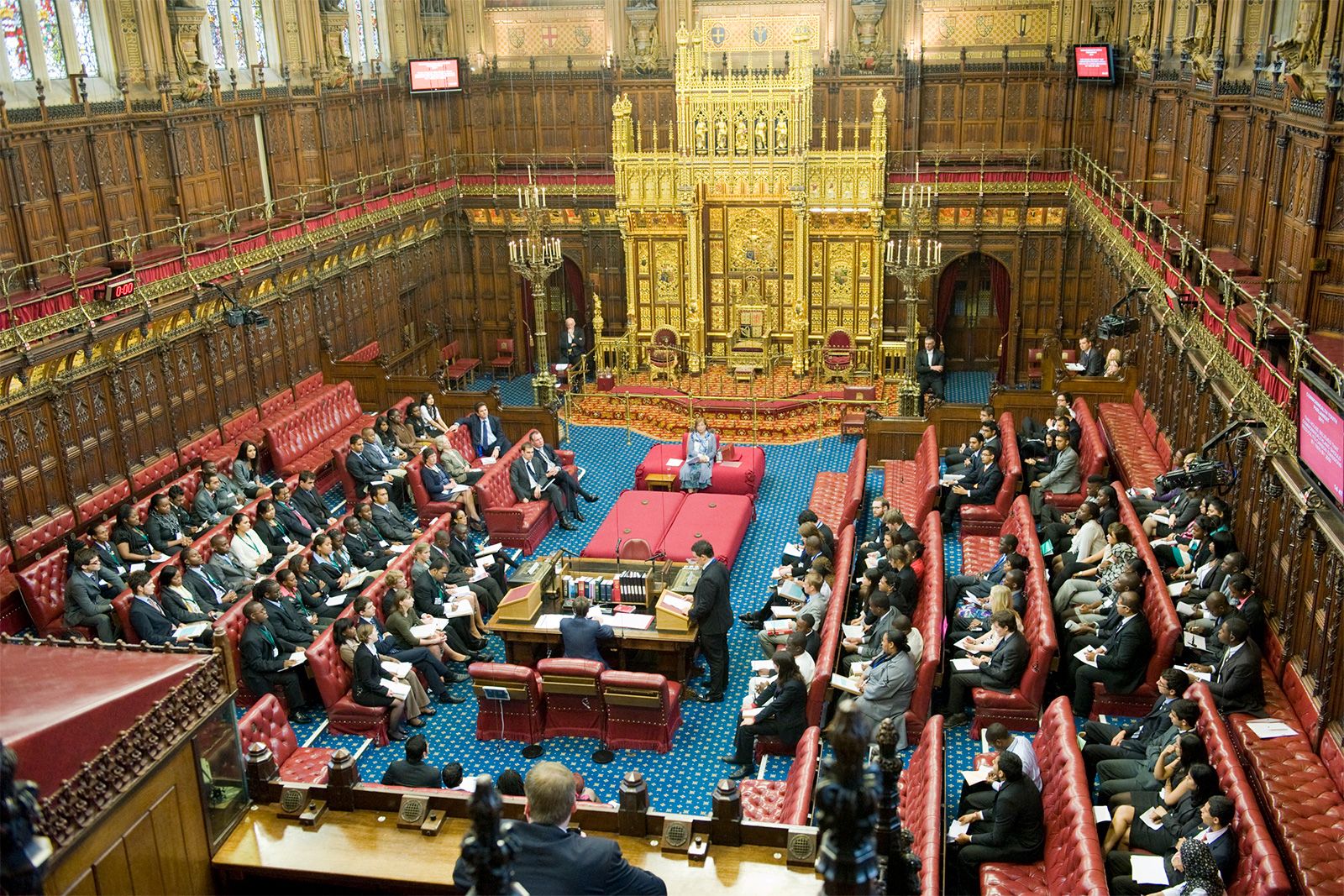
The massive legal battle against state-sponsored killing rolls on. A remarkable 131 Peers have now either spoken against the assisted suicide Bill in the House of Lords or signed amendments because of concerns with the Bill, highlighting the extent to which legislation is flawed.
This number includes Peers appointed to the House of Lords because of their expertise in relevant areas, including a former President of the Royal College of Psychiatrists and President of the British Medical Association, the former Chief Executive of NHS England, a leading Professor of palliative medicine, Peers living with disabilities, and legal experts, including a former Attorney General and the former President of the Family Division of the High Court.
This large number of Peers have been subjecting the assisted suicide Bill to extensive scrutiny due to what opponents of the Bill have said are dangerous flaws and a lack of adequate safeguards within the Bill.
Despite it being clear that a large number of Peers have already shown opposition to the Bill through 131 Peers speaking against it or signing amendments because of concerns with the Bill, assisted suicide campaigners have attempted to present opposition as coming from a small group of seven “shameless” Peers who they claim are “blocking” the Bill.
This appears to be campaigning spin from the assisted suicide lobby to attempt to build support for bypassing the House of Lords using the Parliament Acts, rather than it being the reality of the situation in the House of Lords.
Using the Parliament Acts to force the assisted suicide Bill into law in the next session would be profoundly irregular, and would also misrepresent the extensive scrutiny that has been given to the Bill by Peers.
The Parliament Acts have never been used with regard to a Private Members’ Bill, and it would be unprecedented for them to be invoked for a Private Members’ Bill that passed the Commons by a narrow margin, with fewer than 50% of MPs voting for it at Third Reading, and which was not in the Government’s manifesto.