
News
-

"Abort Yes, Smack No" Scotland's Twisted 'Values'
Scotland - a country where parents are banned from even giving a gently, loving smack to a naughty child, but where thousands of babies are torn limb from limb each year.
An impact assessment of Scotland’s law criminalising smacking is long overdue, The Christian Institute has told the Scottish Government.
Writing to the Family Law Unit, the Institute has pointed out to Ministers that new laws are normally scrutinised three to five years after enactment. While the Children (Equal Protection from Assault) (Scotland) Act came into force almost six years ago, no review has taken place.
In 2019, before the Bill was approved, almost 90 percent of public submissions were opposed to removing the defence of reasonable
In his letter, the CI’s Deputy Director Simon Calvert notes that it was the Scottish Government’s intent in 2020 to monitor “the impact of the legislation”, possibly through “a research project”.
“Given this stated intention,” he observes, “it is difficult to see why this review has not yet been published”. He also points to an official report into similar legislation in Wales, which came into force almost a year and half after the Scottish Act.
Citing Scottish Government evidence from stakeholder focus groups, obtained through freedom of information requests, Mr Calvert identified three areas of concern regarding the smacking ban: that Government support was inadequate; that the instigation of criminal inquiries into parents “took precedence over welfare and protection”; and that resources have been stretched in order to meet the demands of the Act.
He concluded: “Could you please let us know when you intend to publish your report on the impact of the Act?”
Earlier this year, the CI — which spearheads the Be Reasonable campaign — published a comprehensive report showing that there is no evidence smacking causes lasting harm to children, and also warned that a ban risks criminalising loving parents and diverting resources away from children’s services.
-
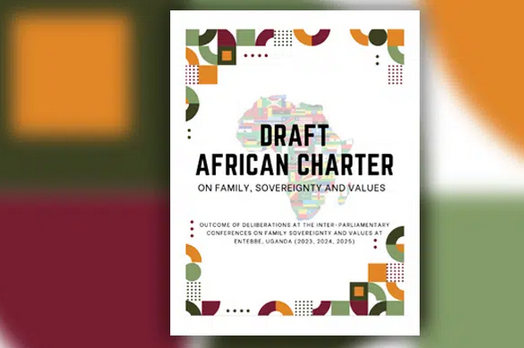
African Nations Unite Against Western Liberalism
African leaders have backed a charter seeking to protect family life from the undue influence of a ‘progressive’ agenda promoted by Western donor countries and the UN.
At a conference in Ghana, twenty nations signed up to The African Charter on Family, Sovereignty and Values, which — among other things — promotes one man, one woman marriage and parental rights, while opposing abortion, the sexualisation of children and transgender ideology
The draft document is expected to be endorsed at the 2027 African Union General Assembly.
The charter expresses alarm at the “infiltration” of transgender ideology and abortion ‘rights’ into African nations though sex education programmes established by international groups.
It warns that “adherence to gender ideology can lead to gender confusion and harmful medical interventions that can render children infertile for life. Such interventions include the administration of dangerous puberty blockers, toxic cross-sex hormones, breast removal, and genital-mutilating surgeries.”
Signatories pledge to protect the unborn from abortion, and determine “how best to protect both the mother and her child when life-threatening pregnancy emergencies arise and promote adoption in situations where the mother is unable or unwilling to care for her newborn baby long-term”.
They also commit to “protect and preserve the institution of the African family (based on marriage between a man and a woman) as the natural and fundamental group unit of society in national laws, policies, and programs”, and reaffirm “that ‘gender’ in the African context is defined as solely male and female”.
-
Scottish Taxpayers Fund Child Abuse
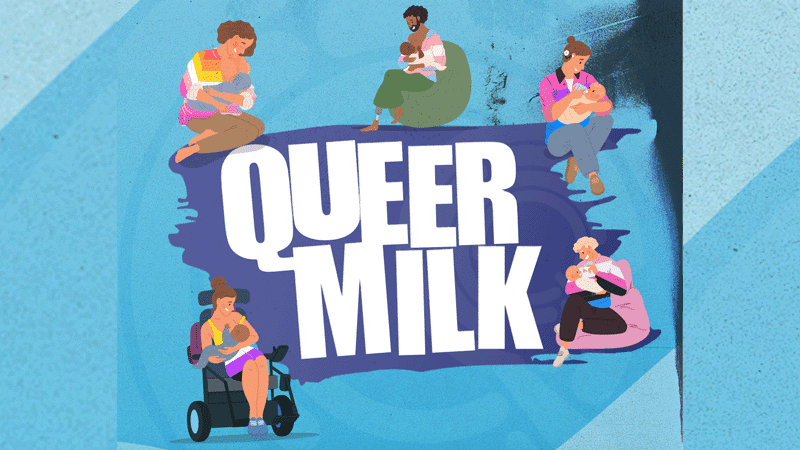
Scottish taxpayers are funding chemical child abuse. A group in Edinburgh promoting the practice of biological men ‘chestfeeding’ babies has sparked outrage.
The weekly support group ‘Queer Milk’ is explicitly inclusive of men who identify as women and are taking cross-sex hormones to mimic breastfeeding.
It is run by the charity LGBT Health and Wellbeing, which is given hundreds of thousands of pounds in funding by the Scottish Government, the NHS, and local councils.
The group’s advertisement for the ‘Queer Milk’ support group says: “You are welcome to attend the group whatever your feeding journey looks like. Whether you are mixed feeding, chestfeeding, breastfeeding, using an SNS or donor milk or any of the beautiful and varied ways you might be giving human milk to your baby.”
However, Dr Alice Hodkinson, co-founder of campaign group Biology in Medicine, stated: “There’s no such thing as chestfeeding. You need to be a woman and you need to have breasts to breastfeed.”
She explained that, while mothers can produce pints of milk for their child, the most that men have been recorded producing is “a thimbleful”.
Dr Hodkinson noted: “This is not for the baby. This does not benefit the baby, and we have to be very clear about this, that there’s something else going on that a man should want to do this.”
Biology in Medicine wrote on X: “It may be *queer*, but it isn’t *milk*. Any secretions produced by men who take a cocktail of drugs are not suitable for feeding babies.”
-
Push to Overturn Abortion Ban Block
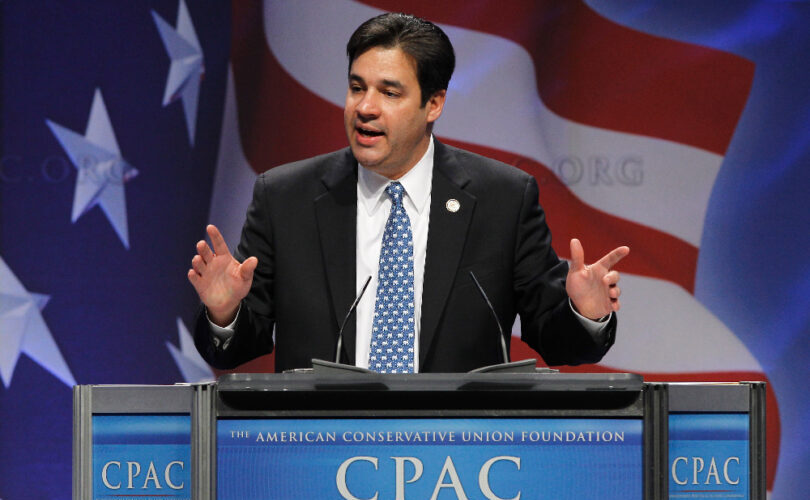
Idaho Republican Attorney General Raúl Labrador announced on Thursday that he is appealing a decision by a federal judge empowering abortionists to effectively circumvent the state’s pro-life laws.
Most abortions are illegal throughout pregnancy in Idaho, with a trigger ban starting at conception and civil liability law starting at six weeks. Exceptions are permitted for rape, incest, or when allegedly necessary to save a mother’s life. In January 2023, the Idaho Supreme Court upheld the bans and ruled that the Idaho Constitution does not contain a “right” to abortion.
Last week, however, U.S. District Judge B. Lynn Winmill ruled in favor of a 2024 suit brought by Boise physician Stacy Seyb, declaring a “narrow but fundamental right to abortion when a pregnancy threatens the woman’s life or health.” Idaho’s law makes exceptions to “prevent the death of the pregnant woman” but not for “health,” a standard that abortionists are notorious for abusing by defining health so broadly as to include nearly any consideration.
“By banning health-preserving abortion, Idaho attempts to deny this fundamental right on the basis that the threat of harm comes from a fetus, which depends on the woman for survival,” the judge wrote. “But a pregnant woman’s health is not a state resource to be allocated at the legislature’s whim. The Fourteenth Amendment exists precisely to prevent subjugation like this.”
Now, Labrador announced that he has filed a notice of appeal with the Ninth Circuit plus an emergency motion demanding the state be allowed to enforce the law in full while the case proceeds.
“A federal judge has replaced Idaho’s law with his own abortion standard, broad enough to treat even the ordinary risks of a C-section as justification for an abortion,” the attorney general said. “He did so at the request of a doctor who admitted under oath he never bothered to learn what Idaho law permits yet sent expectant mothers out of state when he could have cared for them here immediately. Dobbs made clear that abortion policy belongs to the people and their elected state representatives, not the judiciary. We have appealed to the Ninth Circuit, and we will fight until this ruling is reversed and Idaho’s law is restored.”
-

Record Assisted Suicides in California
California has experienced the highest number of yearly assisted suicides on record, with a total of 1,235 deaths in 2025, a 149.49% increase over five years.
Released this week, the California End of Life Option Act 2025 Data Report shows a 10.96% increase in total deaths from assisted suicide compared with the previous year, when there were 1,113 assisted suicides. There was an almost 150% increase in assisted suicides in California in 2025 compared with 2020, when there were 495 assisted suicides.
Under California’s End of Life Option Act, a resident of the state can be provided with life-ending drugs if they are thought to have six months or less to live. Since California made assisted suicide legal in June 2016, a total of 6,758 people have ended their lives this way.
The 1,235 deaths account for 0.438% of all deaths for residents of California in 2025.
Among those who ended their lives by state-assisted suicide, the concerns that contributed to the decision to end their lives were primarily non-medical. These included 84.1% of those who ended their lives saying “loss of dignity”, 96.10% saying being “less able to engage in activities making life enjoyable”, and 94.70% saying “loss of autonomy” were contributing reasons for ending their lives by assisted suicide.
-
Canadian Armed Forces Ditch God
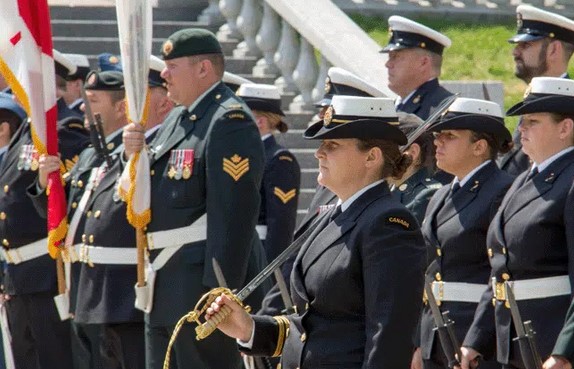
Mention of God, Bible readings and prayers have been banned by the Canadian Armed Forces (CAF) from all official events.
A new directive from Military Personnel Command instructs all CAF members not to use “religious specific language” if called upon “to deliver a spiritual reflection in the military setting”.
The policy applies to all events connected to official Government business and military ceremonies, including graduation parades, ship commissioning, mess dinners and Remembrance Day.
-

Care Not Euthanasia!
A Labour MP says that end-of-life care must be fixed ahead of any debate about the legalisation of assisted suicide, echoing comments made by the Prime Minister last month.
Just weeks before Second Reading of the new assisted suicide Bill on 11 September, Adam Jogee, the Labour MP for Newcastle-under-Lyme, has argued that poor access to high-quality end-of-life care, which many people experience, could lead to individuals ending their lives by assisted suicide due to a lack of care.
“If even one person feels driven to choose an assisted death because suitable care is unavailable, or because they worry that their family cannot cope because support is inadequate, then we will have failed to be the compassionate society that we think we are”, Jogee said.
The Member of Parliament asked whether individuals could have a real and meaningful choice at the end of their lives if proper care is “too often inaccessible, inconsistent and overstretched”.
Jogee pointed to numerous examples of the care crisis to explain why legalising assisted suicide in this context would be disastrous, including referring to a report from Hospice UK that revealed that approximately two-thirds of people who live in rural areas are unable to access palliative and end-of-life care close to home, which could make them feel pressure to end their lives by assisted suicide if the practice were to be legalised.
He added that many people only realise that accessing such vital end-of-life care is difficult only when they need it, and stated that data has shown that almost 60% of hospices in England have made or are considering making cuts to frontline services, meaning that unless drastic changes are made the situation will likely get worse rather than better.
Jogee reiterated that this “broken system” also leaves those who work in care services feeling “undervalued and underpaid”.
“That cannot be the foundation upon which we ask Parliament to make one of the most profound life-and-death decisions of our time”, he said.
-

Assisted Suicide 'Threat' to Hospices
Labour's new assisted suicide bill poses a deadly threat not just to very vulnerable people, but also to the entire hospice movement, according to a senior bioethicist.
An absence of the right to “institutional conscientious objection” in Lauren Edwards MP’s assisted suicide Bill could see a “significant number” of hospices and care homes close, a bioethicist has warned.
Professor David Albert Jones stated that, in its current form, the Terminally Adults (End of Life) Bill poses “an existential threat to any institutions whose foundation documents are incompatible with participation in the act of intentionally ending human life”.
He dismissed claims by activists that such protections were ‘unworkable in practice’, noting that some US states with euthanasia or assisted suicide laws “concede the principle that the law can and should provide protection for the ethos of institutions”.
In his report Safe Spaces for the Dying, Prof Jones explained: “Conscience clauses are explicit provisions in law that create exemptions from legal or contractual obligations that would otherwise be imposed upon citizens or bodies.
He observed: “The paradigm of a right to ‘conscientious objection’ is protection of an individual from an obligation to act against his or her deeply held beliefs. It concerns the rights of an individual over and against an institution”.
However, he argued there are good reasons for including “overt protections for institutions” in assisted suicide legislation. He commented: “The provision of end-of-life care and of social care in England and Wales has benefited greatly from the contribution of hospices and care homes of religious foundation.
“In many cases participation in assisting suicide or euthanasia would be incompatible with the ethos of these institutions as reflected in their foundational documents. It is all but inevitable that a significant number of institutions might have to close if not provided with institutional protection.”
The bioethicist concluded: “The Bill threatens not only the right to life of vulnerable patients but also harms all who would want to be cared for in safe spaces where assisted suicide would neither be offered nor be performed. It would leave them with nowhere to turn.”
-
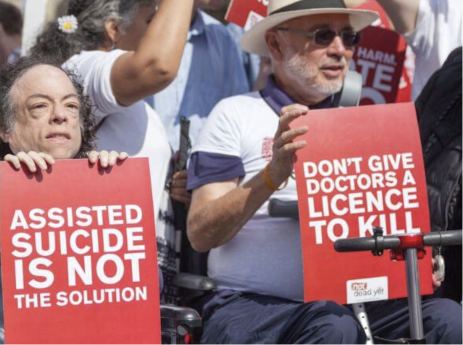
Yorkshire Medics Urge Suicide Bill Rejection
More than 140 doctors, nurses and other healthcare workers in Yorkshire have called on MPs to reject the new assisted suicide Bill at its Second Reading on 11 September, calling it “unsafe”.
The healthcare professionals, including GPs and consultants, have signed a letter urging MPs and the Government to reject the legislation.
In the letter, they state, “Whatever individuals’ views on the principles of assisted dying, we are united in our analysis that this bill is not safe for patients”.
The healthcare professionals reveal that they are “deeply concerned” about the return of the assisted suicide Bill, referring to many of the concerns that have been raised about the proposals by medical professional organisations, including the British Medical Association, the Royal College of Physicians, and the British Geriatrics Society.
Referring to the current crisis in health and care services, the signatories state that the “NHS is fragile, under immense pressure, and palliative care access is inequitable and woefully inadequate”.
“Without national focus and funding reviews to bolster palliative care provision in each of these areas, we risk palliative care services becoming ever-more stretched”, they said.
The doctors, nurses and other healthcare workers explained how marginalised communities, including rural patients, people with dementia and people from minority backgrounds, “face pronounced inequities in access to palliative care, and therefore poorer outcome[s]”.
“At present, too many people do not [have access to high-quality compassionate care]. We are failing our society by denying them that care, and we would fail them again by offering an assisted death before ensuring that proper end-of-life care is available to all”, the signatories added.
-

U.S. Voters Back Christian Values for Midterm Polls
A recent poll of likely voters found continuing broad rejection of left-wing activists’ extremes on life and gender policies ahead of what is shaping up to be a tight and grueling midterm congressional election for U.S. Republicans.
Concerned Women for America (CWA) commissioned Zogby Analytics to poll 1,003 likely voters on a range of issues facing the country.
It found 67.6% “definitely or probably” favour ending the mail-order abortion regime by restoring the requirement for in-person doctor’s visits before dispensing abortion pills; 63.9% oppose gender “transition” chemicals or surgeries for minors; and 69.3% consider it “very or somewhat” important to their vote that a candidate keep males out of female lockers and athletic programs.
More than 60% of respondents named grocery prices, crime and public safety, national security and foreign policy, and religious liberty and freedom of expression as important to them as voters; 59% named protecting children from gender ideology, education and parental rights in schools, and border security and immigration as important. 53.1% said protecting the unborn and reproductive policy was important to them.