
News

  • Quoting Bible Could Be Criminalised in Canada

    Canada could criminalise the quoting of Scripture under planned changes to hate speech laws/ This is just the latest in a creeping assault on the Bible and on true Christianity.

    Currently, people cannot be convicted for “wilful promotion of hatred” if a statement is made in “good faith” based “on belief in a religious text”. But an amendment to the proposed Combating Hate Act would remove this exemption, threatening people with up to two years in prison.

    The proposals are backed by Minister of Justice Sean Fraser and the Bloc Québécois party.

    The Canadian Conference of Catholic Bishops warned the Prime Minister: “The proposed elimination of the ‘good faith’ religious-text defence raises significant concerns.”

    “This narrowly framed exemption has served for many years as an essential safeguard to ensure that Canadians are not criminally prosecuted for their sincere, truth-seeking expression of beliefs made without animus and grounded in long-standing religious traditions.”

    The Canadian Constitution Foundation, which is campaigning against the proposals, added: “While prejudice and discrimination should be condemned, the proposed law gives the government new power to subjectively determine which words and ideas are acceptable – a direct threat to the Charter right to freedom of expression.”

    Earlier this month, a Liberal MP who claimed that Bible passages on sexual ethics contain “clear hatred towards, for example, homosexuals”, was appointed as the M

  • Slovenians Reject Assisted Suicide

    Slovenians have rejected plans to progress proposed assisted suicide legislation.

    In a referendum triggered by a national petition, the majority of voters (53%) in the most north-easterly part of the former Yugosalvia (53 per opposed implementing the Assisted Voluntary End of Life Act adopted by the National Assembly in July, delaying it for at least a year.

    The result overturned a 2024 referendum, when 55 per cent of Slovenians favoured allowing terminally ill patients to get help to kill themselves.

    Writing in The Critic, Director of Advocacy for ADF International Robert Clarke observed: “What is clear is that support for the move dropped as the precise details of the bill became clearer.”

    The barrister commented: “Here is a nation presented with a detailed law, with the chance for debate, here is a legislature that insisted it had built in ‘safeguards’, and here are voters — many of whom had previously expressed support for some form of assisted dying — taking a closer look and concluding that something was wrong.”

    Voters, he concluded, “refused the false choice between suffering and state-sanctioned death. In doing so, they reminded the rest of Europe of a truth we are in danger of forgetting: that the compassionate response to suffering is not to eliminate the sufferer, but to address the suffering.

    “If Westminster is willing to listen, the people of Slovenia have delivered a message worth hearing.”

  • Trump Admin Condemns UK Prayer Prosecution

    The U.K.’s prosecution of a British pro-life activist for standing silently within an abortion centre buffer zone is not only “concerning” as it violates “common sense” but is an “unwelcome departure” from shared transatlantic values, said a Trump administration official.

    According to a report in The Telegraph, the spokesman for the U.S. State Department is addressing the case of Isabel Vaughan-Spruce, a Catholic pro-life activist who was charged last Wednesday for standing and silently praying on the street outside an abortion facility in Birmingham.

    Her case marks the first time a person has been accused of violating the country’s new abortion “buffer zone” law, which went into effect in October 2024 under Section 9 of the Public Order Act 2023. The law prohibits “influencing” anyone’s decision to access, commit, or facilitate abortion “services” within 150 meters of an abortion centre.

    According to ADF International, the new law “does not mention silent prayer specifically” and Crown Prosecution Service guidance on the law “stipulates that silent prayer on its own is not enough to meet the threshold of criminality unless it is accompanied by ‘overt’ activity,” yet Vaughan-Spruce is being prosecuted for this silent internal activity nonetheless.

    Such mere thought, according to the U.S. official, “should not constitute harm.”

    “The decision to prosecute a woman engaged in silent prayer is not only concerning in terms of its impact on respect for the fundamental freedoms of expression and religion or belief, but is also an unwelcome departure from the shared values that ought to underpin US-UK relations,” the State Department spokesman told The Telegraph.

    “We are monitoring Isabel’s case closely. It is common sense that standing silently and offering conversation should not constitute harm,” he or she said.

  • Anorexics Endangered by Assisted Suicide Bill

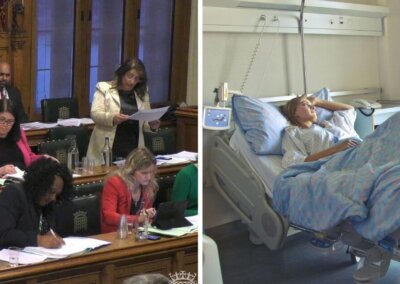
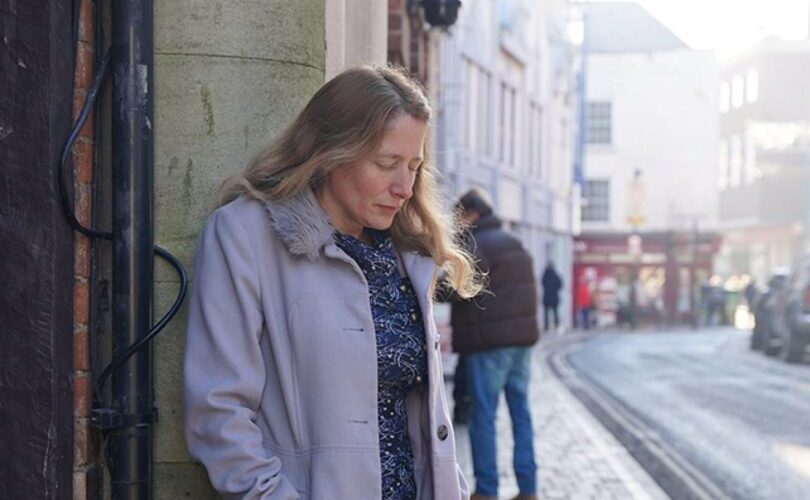
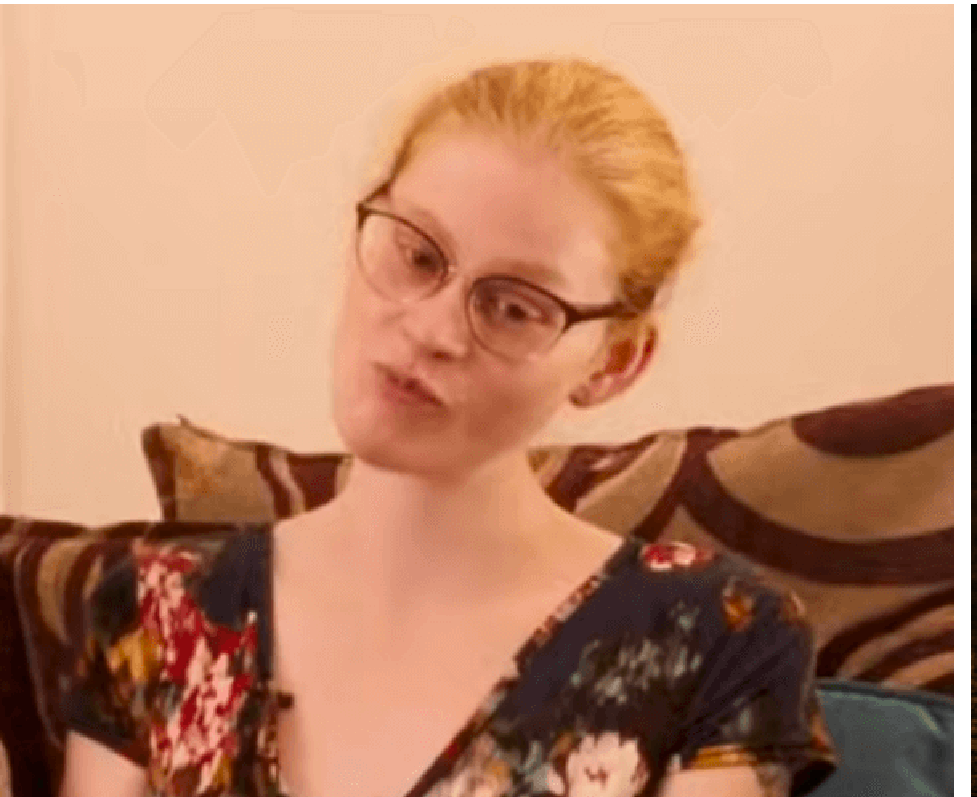
    A woman in recovery from anorexia has shared her fears about the dangers the assisted suicide Bill could cause for people living with eating disorders.

    Speaking with Chelsea Roff, the founder of leading eating disorder charity Eat Breathe Thrive,   Ailidh Musgrave said “My concerns lie with people like myself who are still in the throes of anorexia right now, what the assisted dying Bill could mean for them and their families”.

    The Terminally Ill Adults (End of Life) Bill would legalise assisted suicide in England and Wales for those with a prognosis of six months or less. People with anorexia could be eligible for assisted suicide after the House of Commons assisted suicide Bill Committee chose not to close a loophole in the Bill, according to eating disorder charities. The Bill is currently going through Committee Stage scrutiny in the House of Lords.

    Having been diagnosed with anorexia at the age of 13, Musgrave spent years going in and out of hospitals, at times being given less than a week to live. Refusing to be fed and hydrated, Musgrave only survived because her mother encouraged her to eat. She said “I didn’t see a future […] there was no future. There was absolutely no way out”.

    Now in recovery, Musgrave, 28, shared her concerns about the implications of the assisted suicide Bill for people with eating disorders, saying “What I don’t want is that people like myself who are young, who have so much ahead of them if they are able to get treatment, to fall through a crack”.

    ‘I would not be standing here today if the Bill had been law when I was ill’

    Musgrave said she would have previously chosen assisted suicide if it were legal, telling Parliament earlier this year “There is no doubt in my mind that I would not be standing here today if the [assisted suicide] Bill had been law when I was ill”.

    Musgrave now hopes to go to university to study policing, saying “I want people to know that there is an end to the pain that we live through. If I had ended my life, I would not know that actually, recovery’s possible”.

    Musgrave’s comments came as an open letter, whose signatories include actress Sophie Turner and Gail Porter, warned that the Bill “could make individuals with eating disorders eligible for assisted death at times when they are unable to access or accept treatment”.

    The letter, coordinated by Eat Breathe Thrive, warned that the Bill’s definition of “terminally ill” could be interpreted to include people with eating disorders who develop severe complications from starvation, vomiting or, in those cases in which someone has Type 1 diabetes, insulin restriction.

    “In a health system already stretched beyond capacity, someone who is severely ill and ambivalent about treatment could be assessed as eligible for assisted death”, the letter says.

    Threat of the Bill towards people with eating disorders

    Chelsea Roff previously published a study that identified “at least 60 patients with EDs who underwent assisted dying between 2012 and 2024” in countries with assisted suicide and/or euthanasia.

    The letter states they “were not individuals who were inevitably dying, but individuals whose illnesses had become life-threatening in the absence of effective treatment”. 

    Concerns that the Bill poses a threat to people with eating disorders have been shared throughout the Bill’s parliamentary journey. At Third Reading in the House of Commons, Naz Shah MP pointed to Roff’s evidence where at least 60 women with anorexia died by assisted suicide, not because they were terminally ill, but because they weren’t given proper treatment. She warned that the amended Bill still does not “close the [anorexia] loophole”.  

    Spokesperson for Right To Life UK, Catherine Robinson, said “It is clear that the lives of people with eating disorders would be under threat if the dangerous assisted suicide Bill were to become law”.

    “Vulnerable people deserve our care and support, no matter what condition they may be suffering from. What they do not need is help and encouragement to end their lives”.

    Dear reader,

    You may be surprised to learn that our 24-week abortion time limit is out of line with the majority of European Union countries, where the most common time limit for abortion on demand or on broad social grounds is 12 weeks gestation.

    The latest guidance from the British Association of Perinatal Medicine enables doctors to intervene to save premature babies from 22 weeks. The latest research indicates that a significant number of babies born at 22 weeks gestation can survive outside the womb, and this number increases with proactive perinatal care.

    This leaves a real contradiction in British law. In one room of a hospital, doctors could be working to save a baby born alive at 23 weeks whilst, in another room of that same hospital, a doctor could perform an abortion that would end the life of a baby at the same age.

    The majority of the British population support reducing the time limit. Polling has shown that 70% of British women favour a reduction in the time limit from 24 weeks to 20 weeks or below.

    Please click the button below to sign the petition to the Prime Minister, asking him to do everything in his power to reduce the abortion time limit.

    A woman in recovery from anorexia has shared her fears about the dangers the assisted suicide Bill could cause for people living with eating disorders.

    Speaking with Chelsea Roff, the founder of leading eating disorder charity Eat Breathe Thrive,   Ailidh Musgrave said “My concerns lie with people like myself who are still in the throes of anorexia right now, what the assisted dying Bill could mean for them and their families”.

    The Terminally Ill Adults (End of Life) Bill would legalise assisted suicide in England and Wales for those with a prognosis of six months or less. People with anorexia could be eligible for assisted suicide after the House of Commons assisted suicide Bill Committee chose not to close a loophole in the Bill, according to eating disorder charities. The Bill is currently going through Committee Stage scrutiny in the House of Lords.

    Having been diagnosed with anorexia at the age of 13, Musgrave spent years going in and out of hospitals, at times being given less than a week to live. Refusing to be fed and hydrated, Musgrave only survived because her mother encouraged her to eat. She said “I didn’t see a future […] there was no future. There was absolutely no way out”.

    Now in recovery, Musgrave, 28, shared her concerns about the implications of the assisted suicide Bill for people with eating disorders, saying “What I don’t want is that people like myself who are young, who have so much ahead of them if they are able to get treatment, to fall through a crack”.

    Musgrave said she would have previously chosen assisted suicide if it were legal, telling Parliament earlier this year “There is no doubt in my mind that I would not be standing here today if the [assisted suicide] Bill had been law when I was ill”.

    Musgrave now hopes to go to university to study policing, saying “I want people to know that there is an end to the pain that we live through. If I had ended my life, I would not know that actually, recovery’s possible”.

    Musgrave’s comments came as an open letter, whose signatories include actress Sophie Turner and Gail Porter, warned that the Bill “could make individuals with eating disorders eligible for assisted death at times when they are unable to access or accept treatment”.

    The letter, coordinated by Eat Breathe Thrive, warned that the Bill’s definition of “terminally ill” could be interpreted to include people with eating disorders who develop severe complications from starvation, vomiting or, in those cases in which someone has Type 1 diabetes, insulin restriction.

    “In a health system already stretched beyond capacity, someone who is severely ill and ambivalent about treatment could be assessed as eligible for assisted death”, the letter says.

    Threat of the Bill towards people with eating disorders

    Chelsea Roff previously published a study that identified “at least 60 patients with EDs who underwent assisted dying between 2012 and 2024” in countries with assisted suicide and/or euthanasia.

    The letter states they “were not individuals who were inevitably dying, but individuals whose illnesses had become life-threatening in the absence of effective treatment”. 

    Concerns that the Bill poses a threat to people with eating disorders have been shared throughout the Bill’s parliamentary journey. At Third Reading in the House of Commons, Naz Shah MP pointed to Roff’s evidence where at least 60 women with anorexia died by assisted suicide, not because they were terminally ill, but because they weren’t given proper treatment. She warned that the amended Bill still does not “close the [anorexia] loophole”.  

    Spokesperson for Right To Life UK, Catherine Robinson, said “It is clear that the lives of people with eating disorders would be under threat if the dangerous assisted suicide Bill were to become law”.

    “Vulnerable people deserve our care and support, no matter what condition they may be suffering from. What they do not need is help and encouragement to end their lives”.

    Dear reader,

    You may be surprised to learn that our 24-week abortion time limit is out of line with the majority of European Union countries, where the most common time limit for abortion on demand or on broad social grounds is 12 weeks gestation.

    The latest guidance from the British Association of Perinatal Medicine enables doctors to intervene to save premature babies from 22 weeks. The latest research indicates that a significant number of babies born at 22 weeks gestation can survive outside the womb, and this number increases with proactive perinatal care.

    This leaves a real contradiction in British law. In one room of a hospital, doctors could be working to save a baby born alive at 23 weeks whilst, in another room of that same hospital, a doctor could perform an abortion that would end the life of a baby at the same age.

    The majority of the British population support reducing the time limit. Polling has shown that 70% of British women favour a reduction in the time limit from 24 weeks to 20 weeks or below.

    Please click the button below to sign the petition to the Prime Minister, asking him to do everything in his power to reduce the abortion time limit.

    Rght To Life UK


  • Drug Gangs Target British Teens

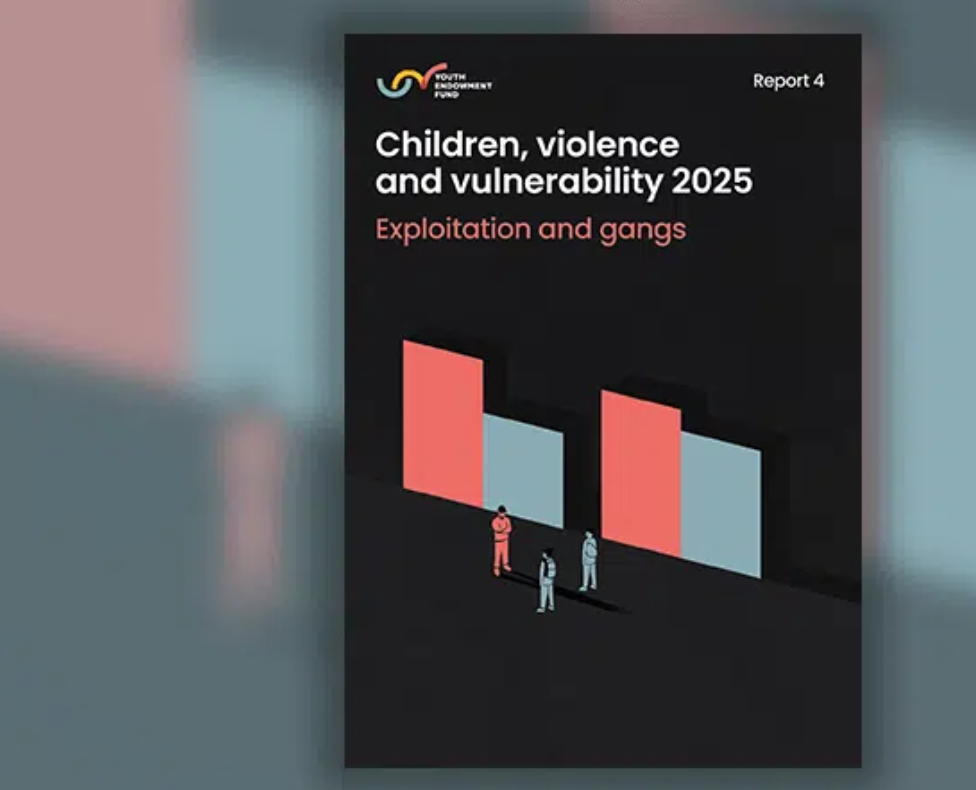
    Drug gangs are targetting British teenagers on a shocking scale. The criminals are believed to have recruited well over 100,000 under-18s in the past year, with hundreds of thousands more approached, a new survey has revealed.

    According to the Youth Endowment Fund (YEF), twelve per cent of 13 to 17-year-olds reported being approached by criminals to either: “sell drugs; transport drugs; or store drugs, weapons or money”.

    The Government-funded charity asked nearly 11,000 teenage children England and Wales to share their experience of exploitation and gangs.

    YEF found that eight per cent of respondents were asked to sell drugs, 7.1 per cent were asked to transport them, and 5.7 per cent were asked to store drugs, weapons or money.

    It said: “Around a quarter of those who were approached to do one of these things went through with it — the equivalent of 120,000 13-17-year-olds in England and Wales.”

    The survey revealed that the most common tactic used “to exploit teens into crime” was bribery with, criminals offering money, ‘goods’, drugs or alcohol. Gangs also used threats of violence and blackmail.

    YEF Chief Executive Jon Yates said it is “horrifying how many children are being targeted” by drug gangs and called for “timely support” to help them “break free from this cycle of harm and violence”.

  • UK Hindus in Sex-Selective Abortion Slaughter

    Analysis by the Department of Health and Social Care (DHSC) has found a “statistically significant imbalance” in the ratio of boys and girls born to Indian parents in Britain, which its researchers believe points to a culture of sex-selective abortions.

    Preferred sex is not an acceptable ground for abortion under the law but MPs voted against an explicit ban when passing the Crime and Policing Bill, which is currently progressing through the House of Lords.

    If the report’s conclusions are correct, it estimates that approximately 400 baby girls may have been sex-selectively aborted “over the five-year period from 2017 to 2021”.

    “Sex is not a lawful ground for termination of pregnancy… Anyone with evidence that this illegal practice is occurring must report it to the police immediately”

    A spokesman from the DHSC stated: “This Government’s position is unequivocal: sex-selective abortion is illegal in England and Wales and will not be tolerated.

    “Sex is not a lawful ground for termination of pregnancy, and it is a criminal offence for any practitioner to carry out an abortion for that reason alone.”

    He explained: “Anyone with evidence that this illegal practice is occurring must report it to the police immediately. We continue to work closely with providers to ensure that abortions are only performed in accordance with the strict legal grounds set out in the Abortion Act.”

    Baroness Eaton, who is seeking to amend the Crime and Policing Bill to explicitly outlaw sex-selective abortion, said: “The Government’s own data suggests that there are hundreds of missing baby girls as a result of sex-selective abortion taking place right here in the UK”.

    She warned that this “disturbing problem could get much worse if the abortion clause in the Crime and Policing Bill becomes law”, explaining that the amendment to decriminalise women who have abortions at any stage of pregnancy could increase the possibility of women performing their own sex-selective abortions at home.

  • Jesus, Lord at Thy Birth

    We wish all our campaigners and supporters a Merry and Blessed Christmas, and a Happy and Peaceful New Year.

  • Christmas Church Attendance Rises Sharply

    Research commissioned by Tearfund asked 2,017 UK adults if they are planning to attend a church event this Christmas.

    It found that 45 per cent of UK adults are “planning to attend a church event or service this year”, a growth from 40 per cent the previous year.

    The poll also found that: “Among non Christians, more than a third (34%) say they plan to attend a church service or event this year, up from 30% last year.”

    Looking at age groups, it identified that “Gen Z are the largest generation to say they plan to attend church this Christmas”.

    When asked about church community outreach, the poll found that 48 per cent of respondents “think the Church is effective at addressing major social challenges” rising to 54 per cent amongst 18-34 year olds.


  • Ireland Saved From Abortion Til Birth

    Ireland has been saved - at least for now - from the special horror of abortion up until birth. A proposal to revisit radical plans for the decriminalisation of abortion up to birth has been narrowly rejected by Deputies.

    TDs voted by 73 to 71 against restoring the Health (Regulation of Termination of Pregnancy) (Amendment) Bill 2023 for further debate in the Dáil.

    The controversial Private Member’s Bill, which lapsed after the dissolution of the Dáil last year, called for full decriminalisation of abortion up to birth for any reason and the dismantling of the three-day reflection period before having an abortion.

    Eilís Mulroy of the Pro Life Campaign welcomed the outcome and expressed encouragement at the many TDs “taking stock of the dramatic increase in abortions since the law changed and of the disturbing realities now emerging under the current legislation”.

    She added: “As a society, we should be prioritising alternatives to abortion and meaningful support for women, not policies that drive abortion numbers higher.”

    One in six babies in Ireland were killed by abortion in 2024, according to the Department of Health.

  • Brave Isabel Charged Under New Law

    Isabel Vaughan-Spruce has twice been arrested for silently praying outside an abortion clinic in Birmingham, and she's twice been freed and vindicated. Indeed, West Midlands Police subsequently apologised and gave her a £13,000 payout. But, thanks to the new buffer zone law, West Midlands Police have decided to charge her for a third time.

    Abortion buffer zones came into force in October 2024 outside abortion clinics in England and Wales, criminalising offering vital support to women, and amid confusion about precisely what activities are prohibited outside abortion clinics.

    While Vaughan-Spruce has been arrested on previous occasions, she has never been charged with a crime. Individuals are arrested if they are suspected of committing a crime, allowing police to question them and gather evidence. After being arrested, individuals can be either released or charged with committing a crime. Despite Vaughan-Spruce not having been charged on previous occasions, following several months of consideration by prosecutors, she has now been charged. 

    Speaking when first arrested, Isabel explained her position: “Despite being fully vindicated multiple times after being wrongfully arrested for my thoughts, it’s unbelievable that two and a half years later, I am still being harassed by police for silently praying in that area, and yet again find myself under investigation for the same prayers I have said for twenty years”.

    “Silent prayer cannot possibly be a crime – everyone has the right to freedom of thought”.

    Vaughan-Spruce is due to appear at Birmingham magistrates’ court on 29 January and, if she is found guilty, could face an unlimited fine.