
News
-

MPs Slam 'Reckless' New Abortion Law
Proposed UK abortion liberalisation has been slammed by a large body of lawmakers. MPs and Peers have urged the Government to halt legislation allowing a woman to kill her unborn baby at any stage of pregnancy without sanction.
In a letter addressed to Health Secretary Wes Streeting and Justice Secretary Shabana Mahmood, 79 parliamentarians said it would be “reckless” for such a significant change in law to take place without an impact assessment and the publication of appropriate guidance for healthcare professionals.
In March, the House of Lords voted through a controversial clause in the Crime and Policing Bill which effectively decriminalises a mother in England and Wales for aborting her unborn child up to birth.
The letter highlighted several scenarios which needed to be addressed, including what a doctor should do if a woman sought medical assistance immediately after inducing a late term pregnancy, when it is illegal for healthcare professionals to assist.
It also asked what paramedics ought to do “if they arrive at the scene of a late-term, self-induced abortion and the baby demonstrates signs of life? Can you assure us that the baby’s right to life would be protected?”
The signatories noted that such scenarios are not “fanciful” as “disturbing cases” of late term abortions had already occurred and they warned of a “real danger that such instances will increase with tragic consequences for women and viable unborn babies”.
-
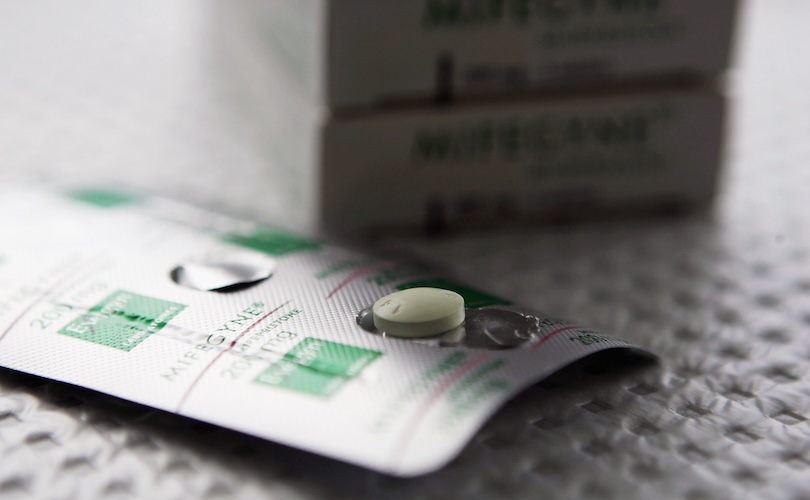
Mail-Order Pills Boost US Abortion Rate
The pro-abortion Guttmacher Institute’s latest data reports a very slight increase in overall U.S. abortions in 2025 compared to 2024, crediting telehealth practices for keeping abortions up without Roe v. Wade inhibiting pro-life laws.
Guttmacher’s Monthly Abortion Provision Study reported 1,125,930 abortions committed by clinicians in the U.S. in 2025, compared to 1,123,600 the year before (which in turn was an increase from 1,059,610 in 2023). Its report on the data describes abortion as “stable” and “largely unchanged” from 2024 to 2025, and the highest number since 2009 (albeit “well below the historical peak of slightly over 1.6 million abortions in 1990”.
The data further reinforces the baneful role of abortion pills as the abortion lobby’s most important tool for perpetuating abortion-on-demand and undermining pro-life laws, especially distributing them by mail across state lines, which is extremely difficult for pro-life states to prevent.
-
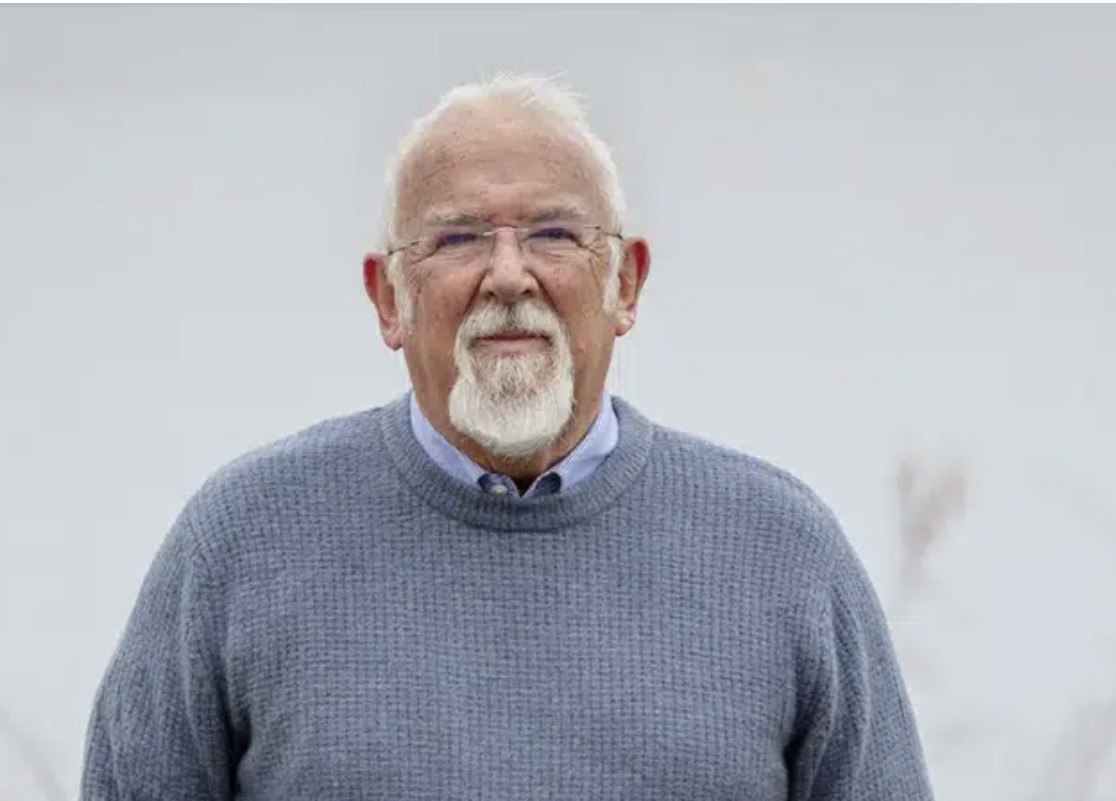
Buffer Zone Pastor Back in Court
Pastor Clive Johnston, who is being prosecuted for preaching the Gospel in an abortion censorship zone in Northern Ireland, will be in court tomorrow for his final scheduled hearing.
The retired pastor, 77, held an open-air Sunday service on the fringes of a ‘Safe Access Zone’ opposite the Causeway Hospital, Coleraine, on 7 July 2024. He preached on John 3:16, but was charged for seeking to “influence” people accessing the hospital’s abortion services and for not immediately leaving the area when asked to do so by police.
At this hearing, Pastor Clive could be acquitted or convicted, the judge could defer his decision, or the judge could also refer the case to a higher court – a signal there are issues around the human rights compatibility of using the legislation against Mr Johnston in this way.
Mr Johnston’s case has been brought under 2023 NI legislation which created eight 100–150m buffer zones around hospitals and other centres which provide abortions, in order to prevent protests.
It is a criminal offence to act within these areas with the intent of (or being reckless about) causing people to be “impeded, recorded, influenced or to be caused harassment, alarm or distress” in connection with their attendance at protected premises.
If convicted, the grandfather of seven – who has never been in trouble with the police – faces a criminal record and potential fines totalling thousands of pounds.
At the last hearing in December, the judge heard arguments and agreed there is little dispute regarding the facts of the case, including that the service was not a protest about abortion, did not mention abortion, nor did it include any placards or banners.
Ahead of Tuesday’s hearing, Mr Johnston, the former President of the Association of Baptist Churches in Ireland, said: “I am grateful for the kind messages of support I have received from members of the public both here and abroad, and for the prayers being offered up to God about this case by many Christians.
“My legal representatives have strongly contested the allegations against me and I pray the wider public will understand the implications of this case.”
-
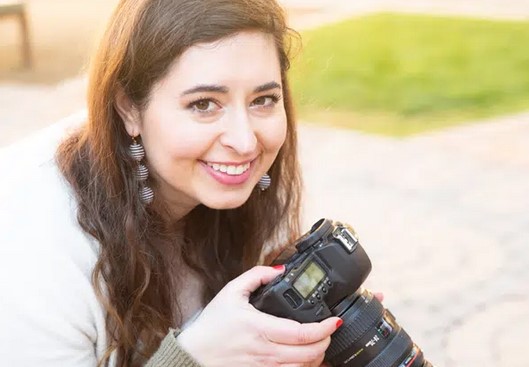
Huge Win for Christian Photographer
A Christian photographer has won a massive legal victory against the LGBTQ tyranny, She has been awarded $800,000 in legal fees, after successfully challenging a law that would have forced her to promote same-sex weddings.
Chelsey Nelson, a wedding photographer and blogger based in Louisville, Kentucky, started legal action against the Louisville-Jefferson County Metro Government in 2019 for being required to promote same-sex weddings if she photographs, edits and blogs on weddings between one man and one woman.
Three years later, a US district court ruled that the Government’s “Fairness Ordinance” cannot compel Nelson to promote same-sex weddings, express messages which are “inconsistent” with her beliefs, or prevent her from publicly explaining her stance. The $800,000 settlement has now resolved the legal costs.
Bryan Neihart, Senior Counsel at religious liberty group Alliance Defending Freedom, which supported the case, said: “The government cannot force Americans to say things they don’t believe.
“For almost six years, Louisville officials tried to do just that by threatening to force Chelsey to promote views about marriage that violated her religious beliefs. Louisville’s threats contradicted bedrock First Amendment principles which leave decisions about what to say with the people, not the government.
“This settlement should teach Louisville that violating the U.S. Constitution can be expensive.”
-
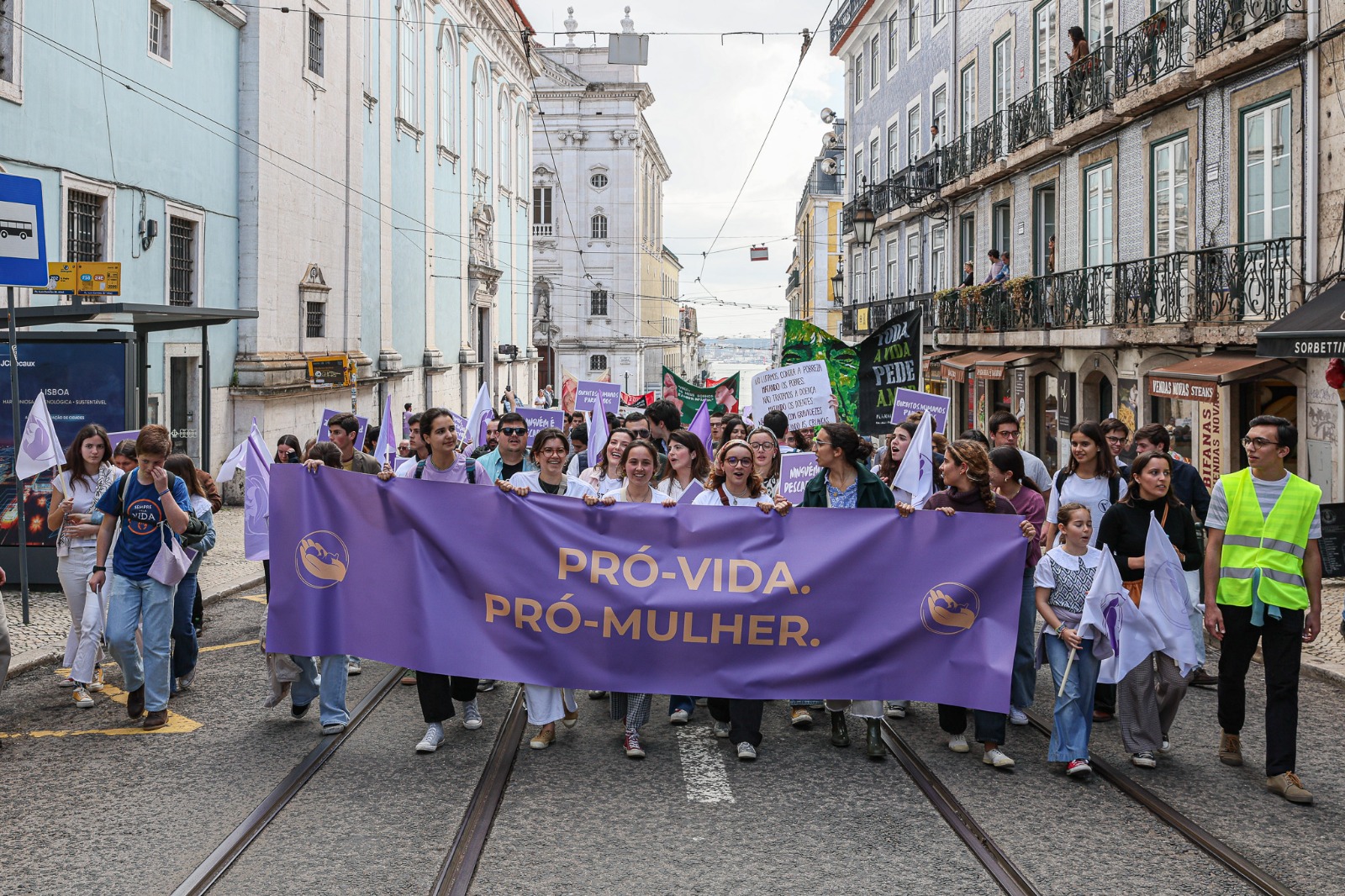
Petrol Bomb Thrown at ProLife March
Our team of ProLife campaigners and outreach workers have had all sorts of things thrown at us by hate-filled supporters of abortion, but never a petrol bomb. But that's exactly what was hurled at the Portuguese capital’s first annual March for Life (Marcha pela Vida) last weekend.
During the closing ceremony of the March 21 Portugal March for Life in front of the Portuguese parliament, where many families with young children and babies were gathered, an unidentified 39-year-old man threw a Molotov cocktail onto the stage.
The man was quickly stopped by march participants before the police arrived. While several children and their parents were drenched with petrol, no one was hurt.
The otherwise peaceful first annual March for Life Lisbon had drawn a whopping 4,000 pro-lifers who witnessed to the unborn.
-
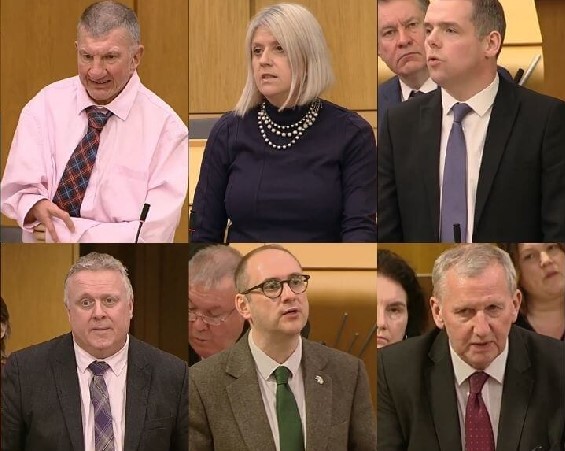
Scottish Vote May Sink Assisted Suicide in England
Last week's defeat of assisted suicide in the Scottish Parliament has raised hopes that the deeply flawed bill currently grinding through the House of Lords will also be defeated.
This is all the more likely given the dozens of major medical bodies and organisations representing the most vulnerable in Scottish society also came out in opposition to the Bill.
This included the Royal Pharmaceutical Society in Scotland, the Royal College of Psychiatrists in Scotland, the Association of Palliative Medicine, Social Work Scotland, the Association of Palliative Care Social Workers, the Scottish Association of Social Work, and the British Islamic Medical Association.
They were joined by groups representing tens of thousands of people in Scotland including, a coalition of major disability groups, such as Inclusion Scotland, Disability Equality Scotland, Glasgow Centre for Inclusive Living, Glasgow Disability Alliance, Our Duty of Care, People First, Self Directed Support Scotland, Disabled People Against Cuts, Group for Autism, Insurance, Investment and Neurodiversity, LegaCare, We Thrive and Down’s Syndrome Research Foundation, who all came out in opposition to the Bill.
Alisdair Hungerford-Morgan, Chief Executive of Right To Life UK, said “This is a great victory for the most vulnerable in our society. They deserve protection and care, not a pathway to suicide. If this legislation had passed, countless vulnerable people would have been pressured or coerced into ending their lives”.
“A large number of MSPs from across the political spectrum came together to recognise the dangers this Bill posed and have rightly rejected it”.
“The question of assisted suicide has dominated the five-year term of the current Scottish Parliament. The issue is now settled for a generation”.
-

Legal Drugs Dens Menace Grows in Scotland
Local residents are horrified. More drug addicts in Scotland could inject illegal drugs without fear of arrest under plans to open a shooting gallery in Edinburgh.
The outcome of a consultation on the plans, set to begin in April, is expected to be submitted to the Scottish Government as part of a business proposal. The Spittal Street and Cowgate areas have been singled out as potential sites.
In addition to city councillors’ approval of the plans, the Edinburgh safer drug consumption facility cannot open without the Lord Advocate’s declaring the facility to be a ‘prosecution-free zone’.
Christine Laverty, Chief Officer of the Edinburgh Integration Joint Board, claimed that the Scottish Government would have to fully fund the centre due to financial constraints in the Edinburgh Alcohol and Drug Partnership’s budget.
But writing in The Herald, columnist John McLellan criticised the “principle of keeping people stupefied on drugs rather than getting them off”.
He stated that “until such times as there is a properly funded rehab programme, state-sponsored shooting galleries will be nothing more than a dangerous and expensive indulgence”.
Under the SNP’s new Alcohol and Drugs Strategic Plan, the Government has pledged ‘not to delay’ in opening more shooting galleries, as well as exploring other ‘harm reduction’ measures — such as distributing crack cocaine pipes to users for “safer inhalation”.
In Glasgow, The Thistle shooting gallery was used by 599 registered users with “over 8,300 injecting episodes” in its first full year of operation up to January 2026. The shooting gallery’s three-year pilot project is being funded by the Scottish Government at a cost of £2.3 million per annum to the taxpayer.
-
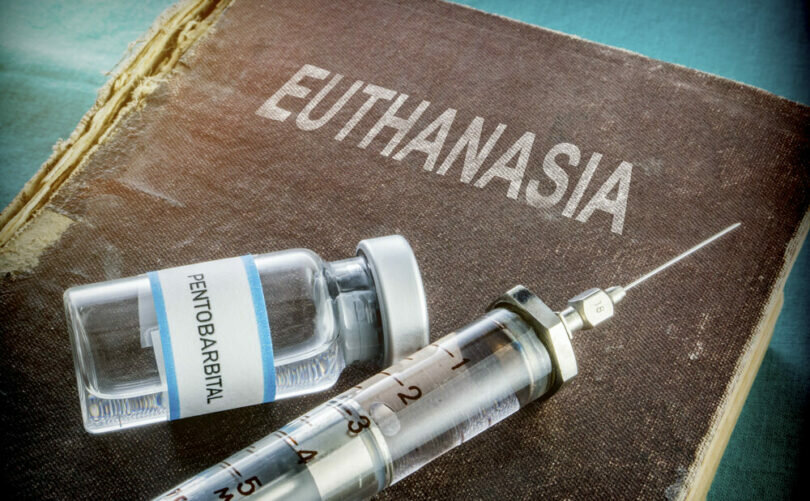
Euthanasia in Canada is Waking the World to the Horror
If anything positive can be derived from the proliferation of euthanasia in Canada, Alex Schadenberg says it’s that groups around the world are watching the number of medically assisted deaths spiral out of control there and taking action to prevent a similar fate in their countries.
Speaking at the annual Bringing America Back to Life Convention sponsored by Greater Cleveland Right to Life on March 13, the executive director of the Euthanasia Prevention Coalition pointed to Slovenia as an example of how individuals can make a difference in stopping unjust, anti-life laws.
Late last year, a referendum campaign initiated by a citizens’ group in Slovenia led to a euthanasia law being overturned on November 23 after it had been passed just five months earlier in July by the European country’s left-wing government.
“The most wonderful thing about what’s happening in Canada is lives in other places are being saved because of it,” said Schadenberg, who has led the 7,000-member Euthanasia Prevention Coalition since 1999 and has spoken and written extensively on the subject.
Schadenberg worked closely the Voice for the Children and the Family group in Slovenia on its signature campaign that enabled the referendum to be put before the country’s voters in a matter of months. To his surprise and many others, the nation’s euthanasia law was overturned with a 53.6 percent majority.
“It was impossible what they did,” Schadenberg said.
Pre-election polls indicated the referendum had only 30 percent backing, but Schadenberg said its backers remained firm on their talking points, and they were asked to pray.
“It’s amazing, and I think that’s a miracle,” Schadenberg said, “and it shows you that it is possible to convince people that killing people is bad idea.
-
Persecuted Pro-Lifer Wins Freedom Medal
British pro-life activist Isabel Vaughan-Spruce has been given a prestigious award by a Pennsylvania lawmaker.
On social media platform X, Vaughan-Spruce announced on Tuesday that GOP state Senator Doug Mastriano has awarded her the Pennsylvania Freedom Medal for her work defending the unborn.
“This is a huge honour and such a kind and thoughtful gesture. Thank you to all those who recognise, uphold and defend true liberty!” she said.
Mastriano drew attention to Vaughan-Spruce’s plight earlier this month.
“In the United Kingdom, Isabel Vaughan-Spruce was detained by police for standing outside an abortion facility. She wasn’t shouting. She wasn’t blocking anyone. She wasn’t holding signs,” Mastriano said on X. “She was simply praying quietly in her mind.”
-

Peers Vote for Extreme Abortion Law
Lord, have mercy! The House of Lords has voted to allow women in England and Wales to kill their unborn babies at any stage of pregnancy without sanction.
During a debate on the Crime and Policing Bill, Peers voted by 185 votes to 148 to reject Baroness Monckton’s amendment to remove Antonia Antoniazzi MP’s controversial Clause 208 which decriminalises abortion up to birth for the mother.
They also voted to reject an amendment by Baroness Stroud to reinstate in-person consultations with a doctor in order to receive abortion pills by 191 votes to 119. A return to such appointments, removed during lockdown, would have better protected against women taking the pills after the ten-week limit which they are designed for.
In a dignified speech, Baroness Monckton was clear: “Clause 208 would allow mothers to self-administer the abortion of their unborn child for any reason, at any stage of pregnancy, right up to full term. This is not just its consequential effect; it is its intended effect.
“The Clause states: ‘For the purposes of the law relating to abortion, no offence is committed by a woman acting in relation to her own pregnancy.’ The unborn child, in many cases more developed than those successfully looked after in premature baby units, would have no legal protection.”
She added that the clause “endangers women” by moving late-term abortions away from a clinical setting.
Abortion pills are not supposed to be used beyond very early stages, but the current ‘pills-by-post’ scheme allows women easy access to the drugs regardless of their child’s gestational age.