

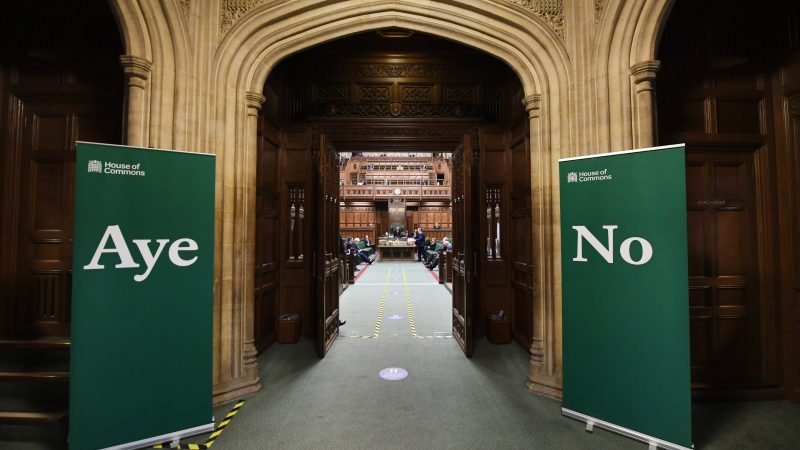
There's a massive irony in the Labour government's attempt to bring back the Assisted Suicide push. A government adviser on suicide prevention has pointed out that the vote on the assisted suicide Bill will take place the day after World Suicide Prevention Day, revealing a striking disparity in supporters of the Bill’s views on suicide.
The World Suicide Prevention Day campaign, organised by the International Association for Suicide Prevention and co-sponsored by the World Health Organisation, aims to “raise awareness around the globe that suicide can be prevented”.
The theme for the 2026 World Suicide Prevention Day is “Changing the narrative on suicide”. This year, the campaign calls for “suicide prevention and mental health to be a priority in public policy, urging governments and institutions to take action”, while also “developing and implementing evidence-based strategies, improving access to quality care, and ensuring that those in distress receive the support they need”.
Despite this campaign, the Terminally Ill Adults (End of Life) Bill, which would legalise assisted suicide in England and Wales for those with a prognosis of six months or less, will have its Second Reading in the House of Commons the very next day. During this debate, MPs will vote on whether they believe the assisted suicide Bill should pass to the next stage of the legislative process.
Professor Louis Appleby, a research and government adviser on suicide prevention and mental health, said that this was “a contradiction, to put it mildly, in the timing”, in that the day after “Parliament will commit to preserving life, bringing people back from despair”, they will debate whether to legalise helping people to end their own lives.
Appleby, who chairs the Government’s national suicide prevention strategy advisory group, previously warned that legalising assisted suicide would harm suicide prevention efforts.
“My concern is that if we decide as a society, if we concede the principle that people who want to take their own lives should be helped through that crisis and out the other side, then conceding that ground [by helping people die by assisted suicide] is a huge step”, he said.
Appleby cautioned, saying that once you cross that threshold to say that some suicides are acceptable, that it is “so far removed from what we currently do and from the principle that’s always guided us on despairing individuals, that it’s an enormous change with far-reaching implications”.