

The bid to force state-sponsored murder on Britain looks set to suffer a massive setback.
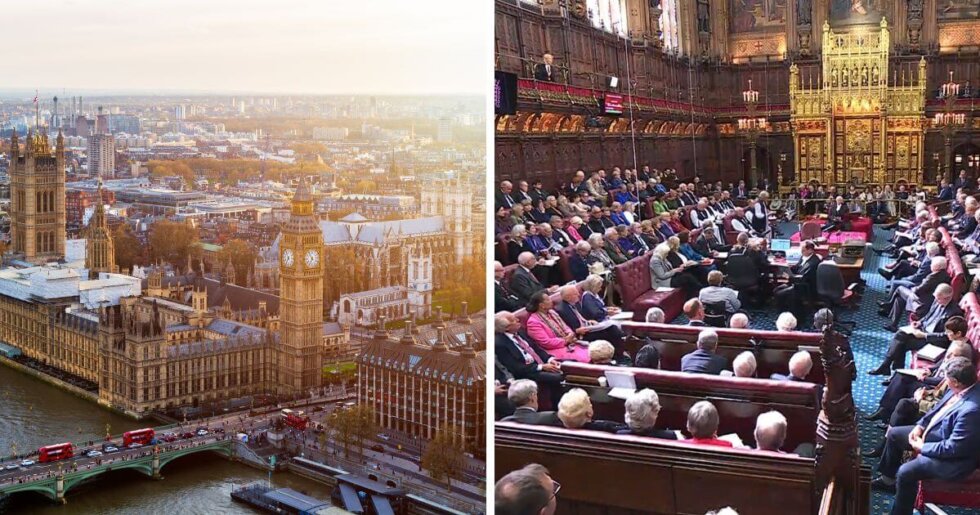
Peers have declared that the House of Lords is now on course to reject the Leadbeater assisted suicide Bill at Third Reading, after a strong majority of Peers spoke against the Bill at day one of Second Reading of the Bill today.
An analysis of the speeches today, completed by Right To Life UK’s Policy Team, shows that of the 86 peers who took a position on the Bill in their speeches, 58 (67%) spoke in opposition to the Bill and 28 (33%) spoke in favour. This represents more than double the number of Peers speaking in opposition to the Bill compared to those who supported it. A further three Peers did not take a position.
This is the opposite of Second Reading in the House of Commons, where a majority of MPs who spoke did so in favour of the Bill (25 spoke in favour, 21 spoke in opposition).
This indicates that the House of Lords is likely to be significantly more opposed than supportive of the Bill, and given that the House of Lords can reject the Bill, the Bill is increasingly looking like it will never become law.
Since the Bill is not a Government Bill and was not part of a manifesto promise, the Lords are constitutionally entitled to block or heavily amend the Bill.
In a piece for The Spectator, Former No.10 Director of Legislative Affairs, Nikki da Costa, explained that the House of Lords is under no duty to pass a Private Members’ Bill such as the assisted suicide Bill, particularly as it was not part of the Government’s manifesto.
Constitutional scholar Professor Mark Elliott also explained that for bills of this kind, the Lords can lawfully withhold consent or use the “ping-pong” process to prevent agreement between the Houses, meaning the Bill would fail.
Further commentary in The Spectator stresses that blocking a controversial Private Members’ Bill is well within the Lords’ remit, given their constitutional role as a revising chamber.
Sky Deputy Political Editor Sam Coates noted that even a senior Government figure who supports the Bill admitted that “the chances of it passing are worse than 50/50.”