

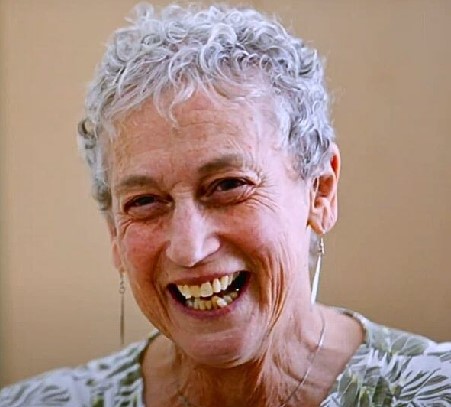
A euthanasia doctor personally responsible for euthanising over 400 of her patients, has suggested that being motivated to end your life due to concerns about housing should be accepted as a legitimate reason for euthanasia in Canada.
In an interview with the Daily Mail last month, Dr Ellen Wiebe, one of Canada’s most prolific providers of state euthanasia, said “In some situations, I will actually ask: ‘If you could have better housing, if you could have better services, would you want to live longer?’ And you know, some would say ‘yes’”.
“Does that mean that person should not have rights? No. They should still have the right to make this decision [to end their lives by euthanasia or assisted suicide]”.
Wiebe went on to say that she soon expects Canada to extend euthanasia and assisted suicide to teenagers who are thought to be terminally ill. “I’m surprised we haven’t yet had a 17-year-old with terminal cancer insist on their rights. When it happens, a judge will agree – I have no question about that”.
The eligibility criteria for Canada’s assisted suicide and euthanasia programme have rapidly expanded since the original legislation was passed in 2016. In 2021, the Canadian Parliament repealed the requirement that the natural death of those applying for assisted suicide be “reasonably foreseeable”. In 2024, legislation was introduced so that euthanasia and assisted suicide would be legal on the grounds of mental health alone in March 2027, a move which Wiebe supports.
Wiebe’s comments come after revelations that a number of poor and vulnerable Canadians are ending their lives by assisted suicide or euthanasia due to concerns about socioeconomic circumstances.
The first official report on euthanasia and assisted suicide in Ontario, Canada: the ‘MAiD Death Review Committee Report’, in which 16 experts from various disciplines reviewed MAiD deaths in Ontario, found that vulnerable people face “undue influence” and “potential coercion”. Some members of the Committee said that discussing assisted suicide and euthanasia with socially vulnerable people may “confirm an impression that their life is not worth living”.
Wiebe, who described her role in administering euthanasia as “the most rewarding work [I’ve] ever done”, has made headlines with her zeal for euthanising her patients.
In 2022, the New Atlantis journal obtained video recordings and accompanying presentations of several meetings of doctors and medical professionals who administer euthanasia in Canada, which took place between 2020 and 2022. In one of these recordings, Wiebe drew attention to the phenomenon of ‘doctor-shopping’ where, if one doctor judges that a person is not eligible for euthanasia, the person can keep searching for a doctor who will approve the request.
In particular, Wiebe discussed the case of one man who was not deemed eligible for euthanasia since he was judged not to have the “capacity to make informed decisions about his own personal health”. However, this same man was put into contact with Wiebe who decided that this man did fulfil the criteria.
“And he flew all by himself to Vancouver”, she said. “I picked him up at the airport, […] brought him to my clinic and [I euthanised him]”.