

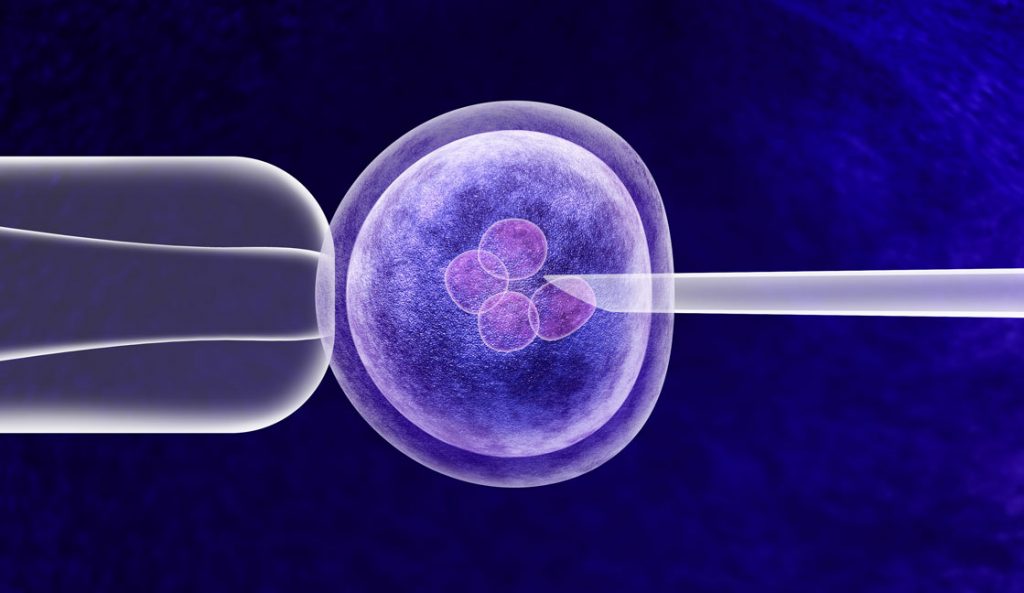
The in vitro fertilization business has likely directly killed 270 million unborn children or more since the beginning of the process in 1978.
A new academic paper in Fertility and Sterility estimates there were around 13 million babies born through “Assisted Reproductive Technology,” or ART, between 1978 to 2018. While there are other forms of ART that do not necessarily involve the creation of extra embryos, IVF is used 99 percent of the time when referring to “reproductive technology.” The first person was born from IVF in England in 1978.
“This large number of infants born from both conventional and innovative applications of ART confirms that ART has helped millions of people realize parenthood, is now mainstream medicine, has had a significant societal impact, including novel family formation, and highlighted inequities regarding [so-called] reproductive rights and access to care,” the researchers claim.
While some factions of the pro-life or conservative movement would view this as a positive sign, because, they argue, these are people who had children, the truth is much grimmer.
This is because a low estimate is that IVF requires the intentional killing of at least 16 human embryonic children for every baby born.
Every IVF cycle typically involves the direct killing of at least three embryos, although the number could be larger. For example, Reproductive Medicine Associates, an IVF facility, says a typical cycle of 19 eggs will yield about 12 embryos. About six of these will develop far enough to be considered for implantation. The facility whitewashes over this, but it says that of these six, three will be considered “normal” and thus viable for implantation.
Left unsaid is that the other three are often discarded. A study in the United Kingdom similarly found “almost half of embryos used to help a women conceive through in vitro fertilization were thrown away during or after the process.”