

The Scottish Parliament has passed a financial resolution to the Scottish assisted suicide Bill that would hand a “blank cheque” to implement assisted suicide, with funding being diverted from other services to pay for this.
The Assisted Dying for Terminally Ill Adults (Scotland) Bill, at Stage 2 in Holyrood, would legalise assisted suicide for someone who is aged 16 or over, deemed mentally capable, ordinarily resident in Scotland, and terminally ill. There is no prognosis requirement specified.
Due to the likely large expenditure required by the implementation of assisted suicide, the Bill was required to be subject to a financial resolution before it could progress to the next Parliamentary stage.
Following a short and unexpected debate, the Scottish Parliament agreed to a motion giving permission for “any expenditure” whatsoever linked to the design of the Bill.
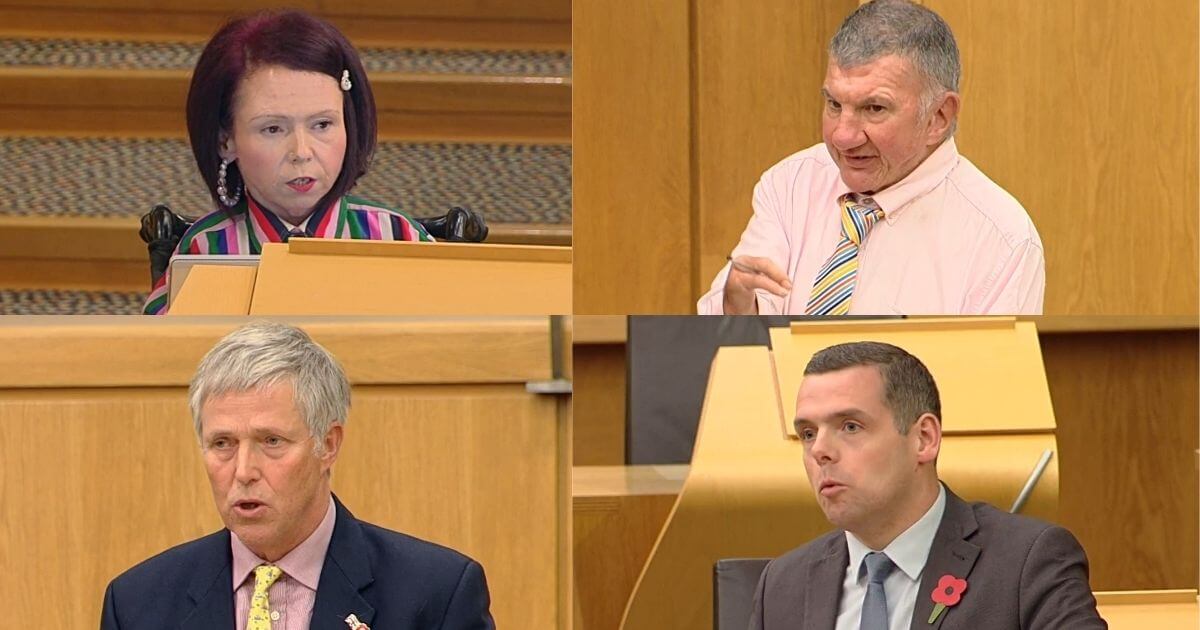
Pam Duncan-Glancy, MSP for Glasgow, the first permanent wheelchair user in the Scottish Parliament, said that the financial resolution “is in effect a blank cheque to make it easier to choose to die than to live”.
“Scottish hospices have said that, if assisted dying is legalised, hospices could see their fundraising efforts impacted”, she continued. “The Royal College of Psychiatrists in Scotland said that it did not think that costs could be absorbed within existing budgets. The Royal College of General Practitioners said that ‘Trying to add it on to a busy general practice would be very difficult’”.
She continued, “I have not touched on the crisis in social care, which sees staff on low pay, and disabled people having to rely on incontinence pads for hours because there is no money to pay staff to go in often enough to change them; or the housing crisis, which sees 10,000 disabled people stuck in their own homes; or the fact that one in four people who need palliative care in Scotland does not get it. What would the costs of the bill mean for the opportunities to address all of that?”